

Best Family Camping Tents of 2026
We tested the top family camping tents side-by-side in real-world conditions, including national park campgrounds, state parks and forest sites. Our goal was to find out which tents genuinely hold up on your family's next adventure.
This in-depth guide compares the best options available, whether you need a lightweight model for a weekend trip or a spacious cabin for a long stay. Our team judged every tent on key factors like comfort, durability, ease of setup, and overall value. Access full reviews of each product via the 'Read Full Review' buttons below, or if you want to sleep in style, check out our teepee tent reviews.
Independently tested | Updated for 2026 | Real-world comparison testing
Updated 26th August 2026: Added ‘Our Awards’
Compare The Best Family Tents

Zempire Evo TXL V2 Air
Price At Time Of Writing | $1,999.00
Overall Rating | 90
Comfort | 9
Construction | 6
Features | 9
Size/Weight | 10
Versatility | 6
Packed Size - 27.6x19.7x18.9in
Weight - 69.2lbs
Sleeping Size - 79.7sqft
Best For - Large family camping expeditions
Pros - Massive living area, fast airbeam setup
Cons - Requires a very large, flat pitch area
Overall - A top-tier, spacious family basecamp tent

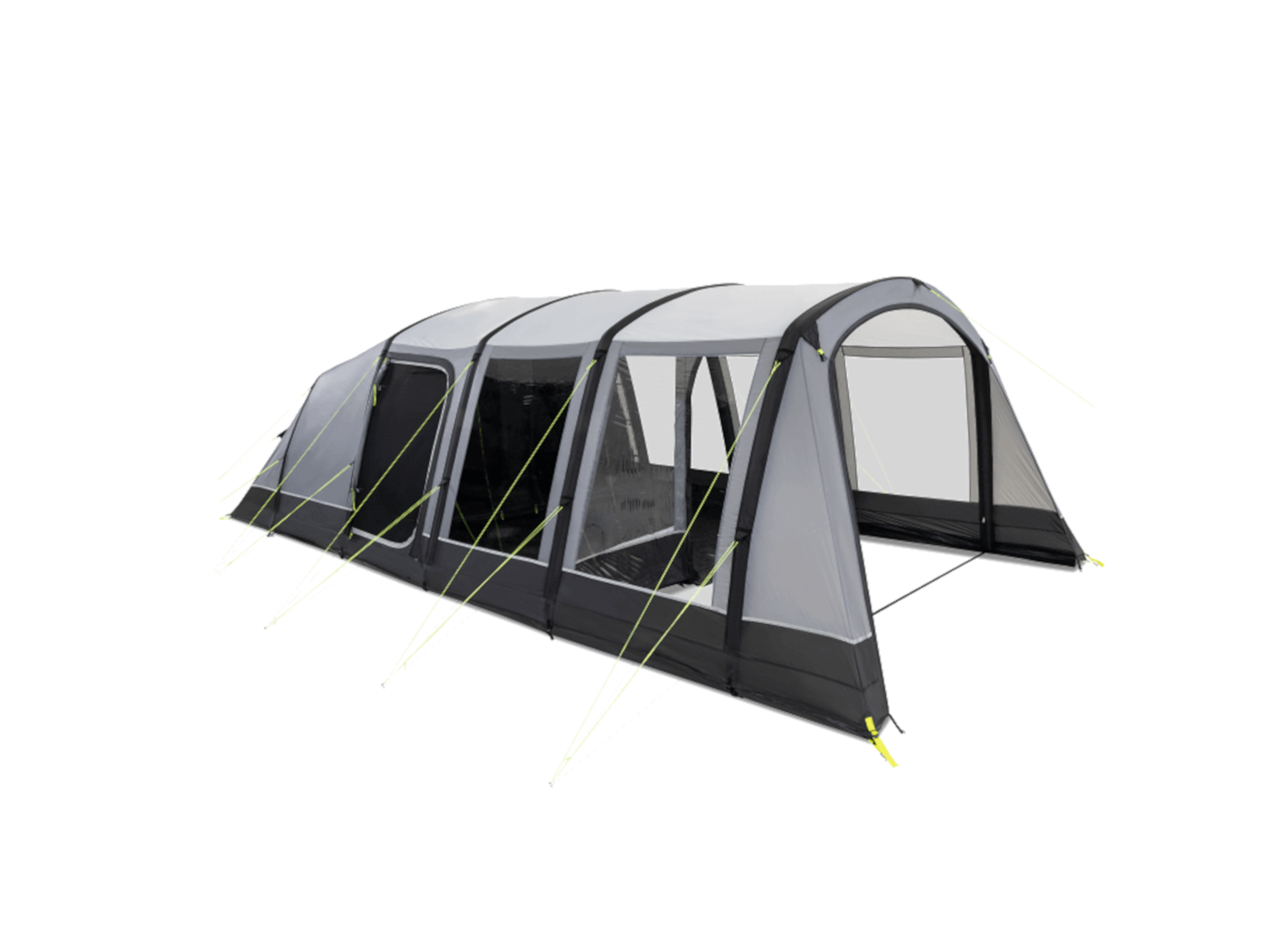
Kampa Hayling 6 Air
Price At Time Of Writing | $579.95
Overall Rating | 89
Comfort | 9
Construction | 7
Features | 9
Size/Weight | 9
Versatility | 5
Packed Size: 31x17x17in
Weight - 68.69lbs
Sleeping Size - 85.25sqft
Best For - Family campers wanting living space and views
Pros - Huge interior, bright panoramic windows
Cons - Requires many guy lines for stability
Overall - A comfortable, home-like tent that pitches quickly
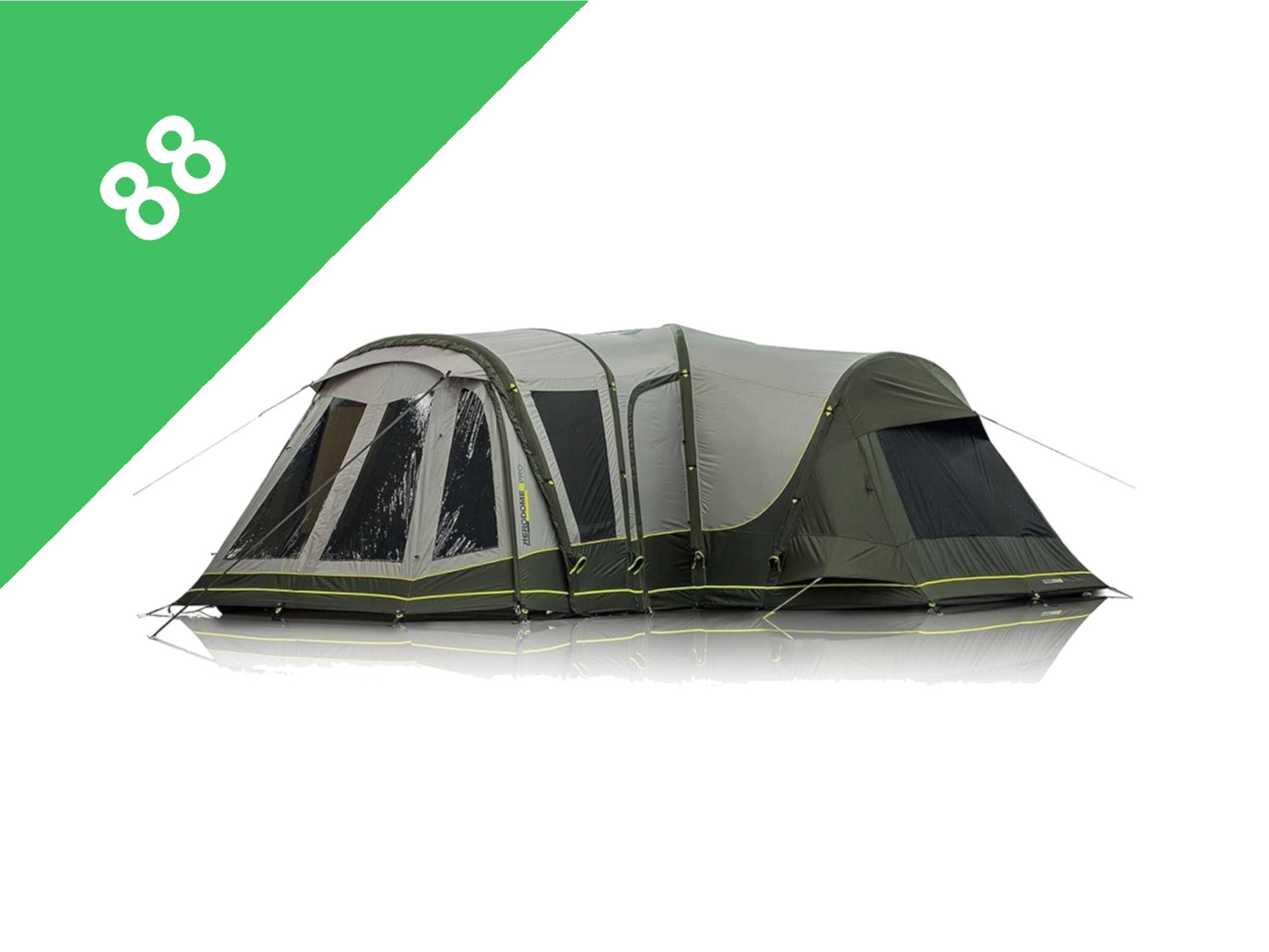
Zempire Aerodome II Pro Air
Price At Time Of Writing | $2,400.00
Overall Rating | 88
Comfort | 10
Construction | 9
Features | 9
Size/Weight | 5
Versatility | 5
Packed Size - 32x24x20in
Weight - 94.67lbs
Sleeping Size - 118sqft
Best For - Extreme weather family camping
Pros - Multiple rooms, strong construction, fully waterproof
Cons - Very heavy and expensive
Overall - A premium, expedition-grade shelter for all conditions

REI Co-Op Wonderland X
Price At Time Of Writing | $1,249.00
Overall Rating | 87
Comfort | 8
Construction | 7
Features | 8
Size/Weight | 6
Versatility | 8
Packed Size - 12.8x14x27.4in
Weight - 35lbs 1oz
Sleeping Size - 70.5sqft
Best For - Long car camping trips in comfort
Pros - Spacious, high-quality materials, well-ventilated
Cons - Large footprint, high price
Overall - A versatile and roomy basecamp for large groups

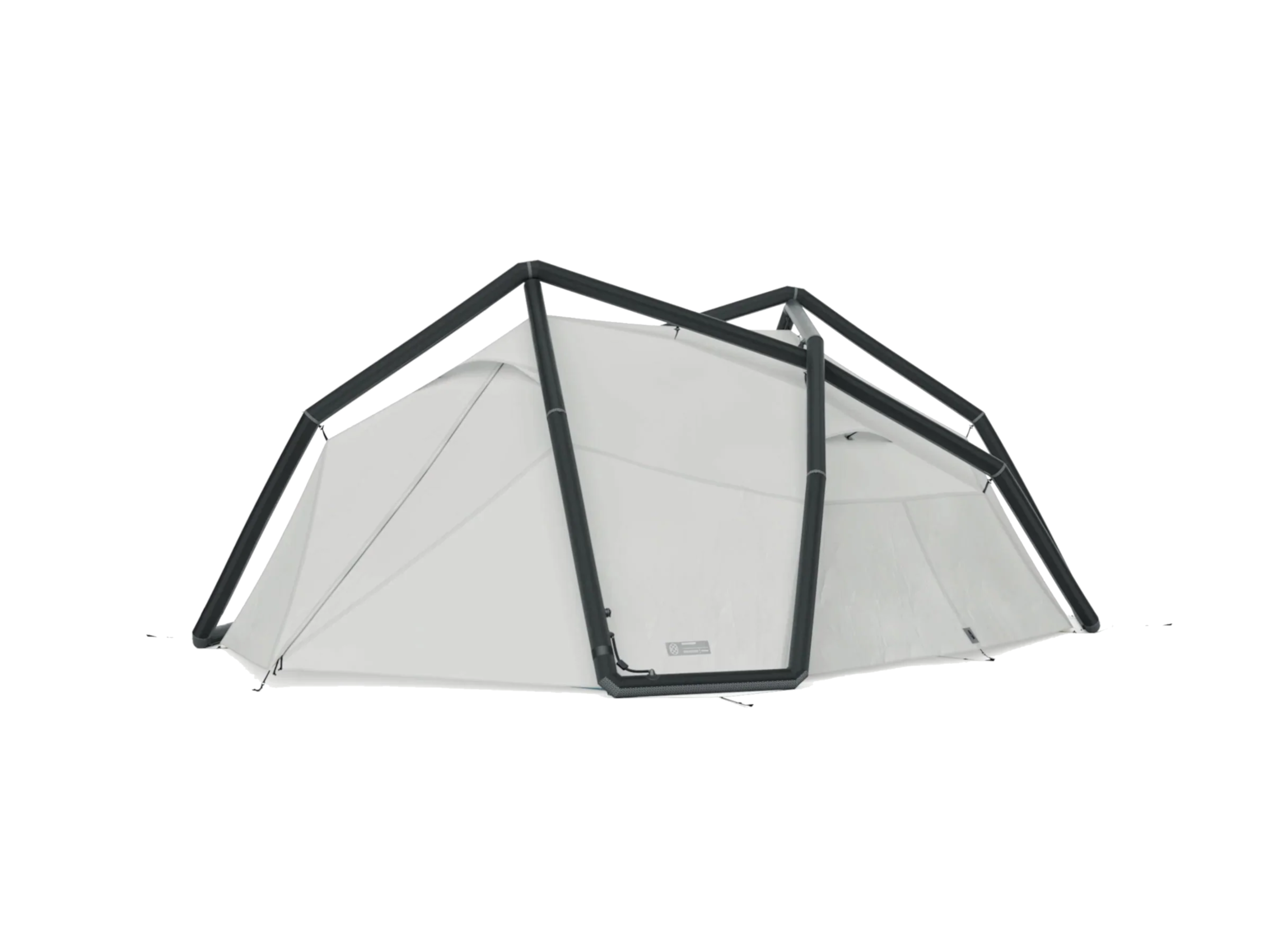
Heimplanet Backdoor Classic
Price At Time Of Writing | $1,299.00
Overall Rating | 86
Comfort | 5
Construction | 8
Features | 5
Size/Weight | 10
Versatility | 8
Packed Size - 10.2x20x8.3in
Weight - 13.5lbs
Sleeping Size - 62sqft
Best For - Fastpacking and minimalist camping
Pros - Extremely lightweight, unique quick-inflate frame
Cons - Low headroom, outer fabric dries slowly
Overall - An innovative, ultra-light shelter for fast missions

Snow Peak Alpha Breeze
Price At Time Of Writing | $499.95
Overall Rating | 85
Comfort | 7
Construction | 8
Features | 7
Size/Weight | 6
Versatility | 7
Packed Size - 14.9x8.1x6.1in
Weight - 24.2lbs
Sleeping Size - 76.5sqft
Best For - Style-conscious small families
Pros - Premium durable materials, four-door access
Cons - Complex setup, basic included pegs
Overall - A well-designed, high-quality tent with a learning curve

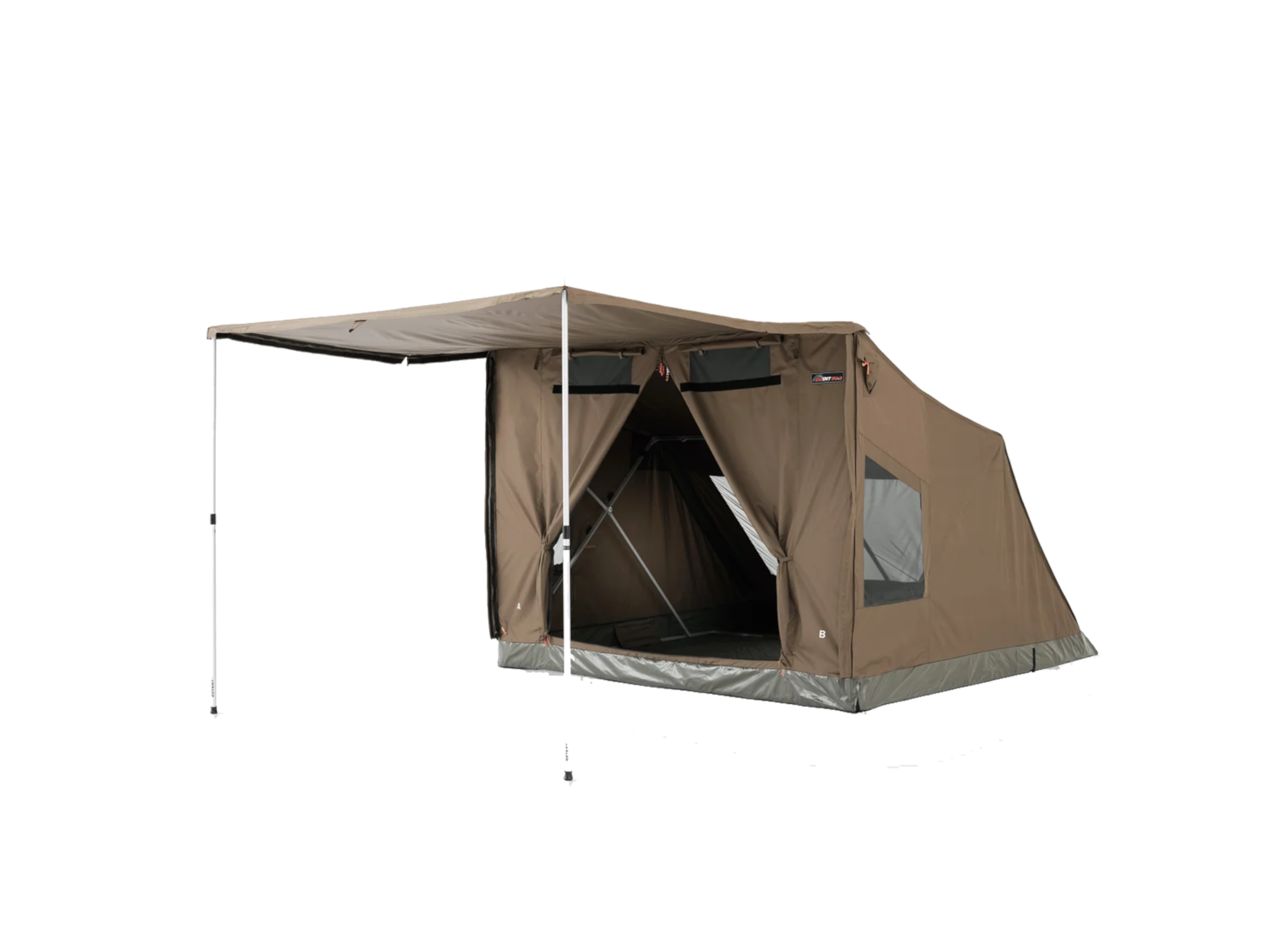
Oztent RV5
Price At Time Of Writing | $1,399.00
Overall Rating | 84
Comfort | 6
Construction | 10
Features | 8
Size/Weight | 3
Versatility | 7
Packed Size - 79.5x10.6x15in
Weight - 53.7lbs
Sleeping Size - 73sqft
Best For - Frequent campers and overlanders with a roof rack
Pros - Very quick setup, durable construction
Cons - Long pack size, expensive
Overall - A fast-pitch touring tent requiring vehicle transport

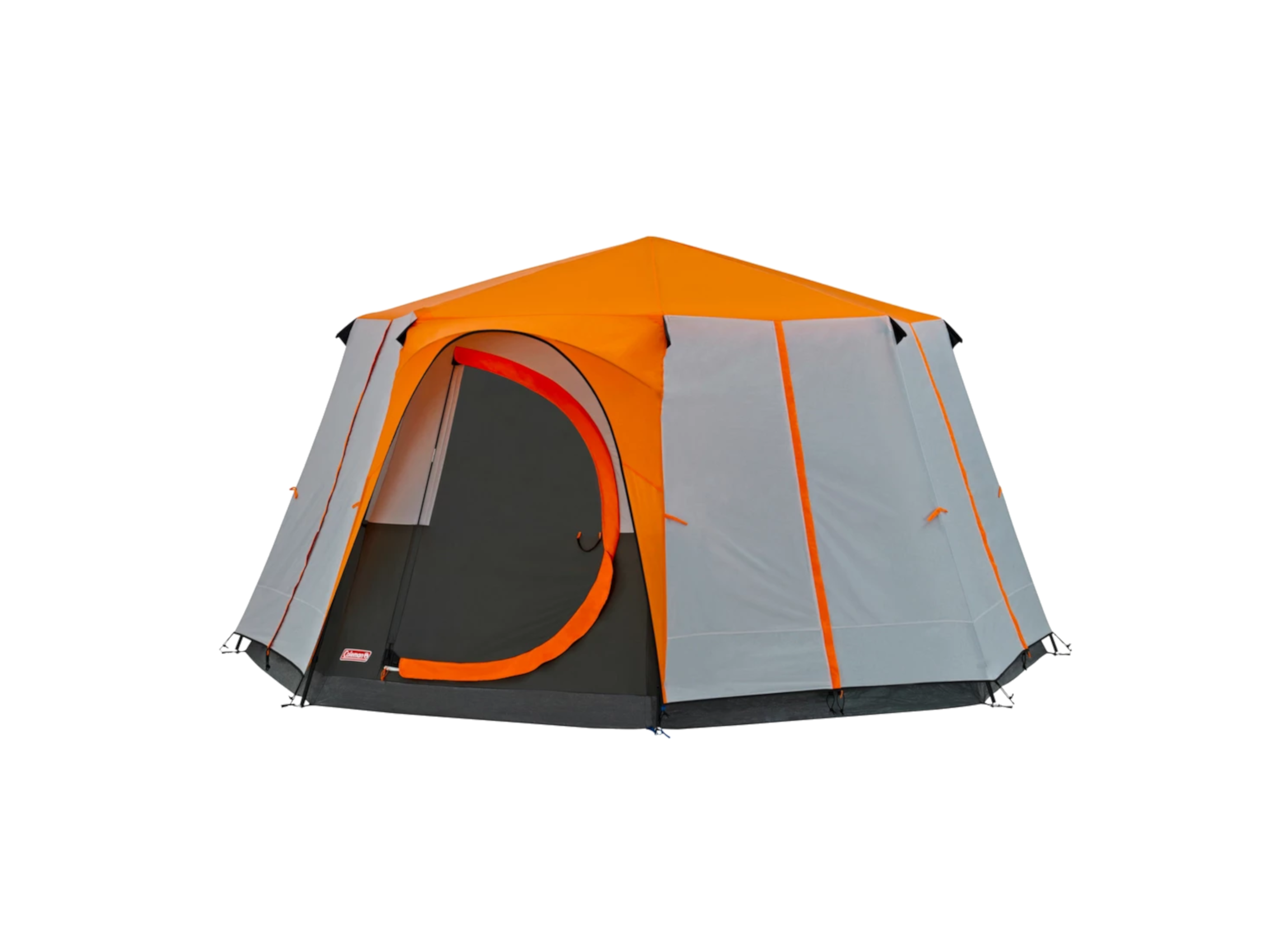
Coleman Cortes Octagon 8
Price At Time Of Writing | $374.95
Overall Rating | 81
Comfort | 7
Construction | 6
Features | 7
Size/Weight | 5
Versatility | 6
Packed Size - 33x12x12in
Weight - 45.6lbs
Sleeping Size - 169sqft
Best For - Family camping in fair weather
Pros - Very spacious, good ventilation, affordable, comfortable
Cons - Single room, awkward to repack
Overall - A simple, roomy tent for the price

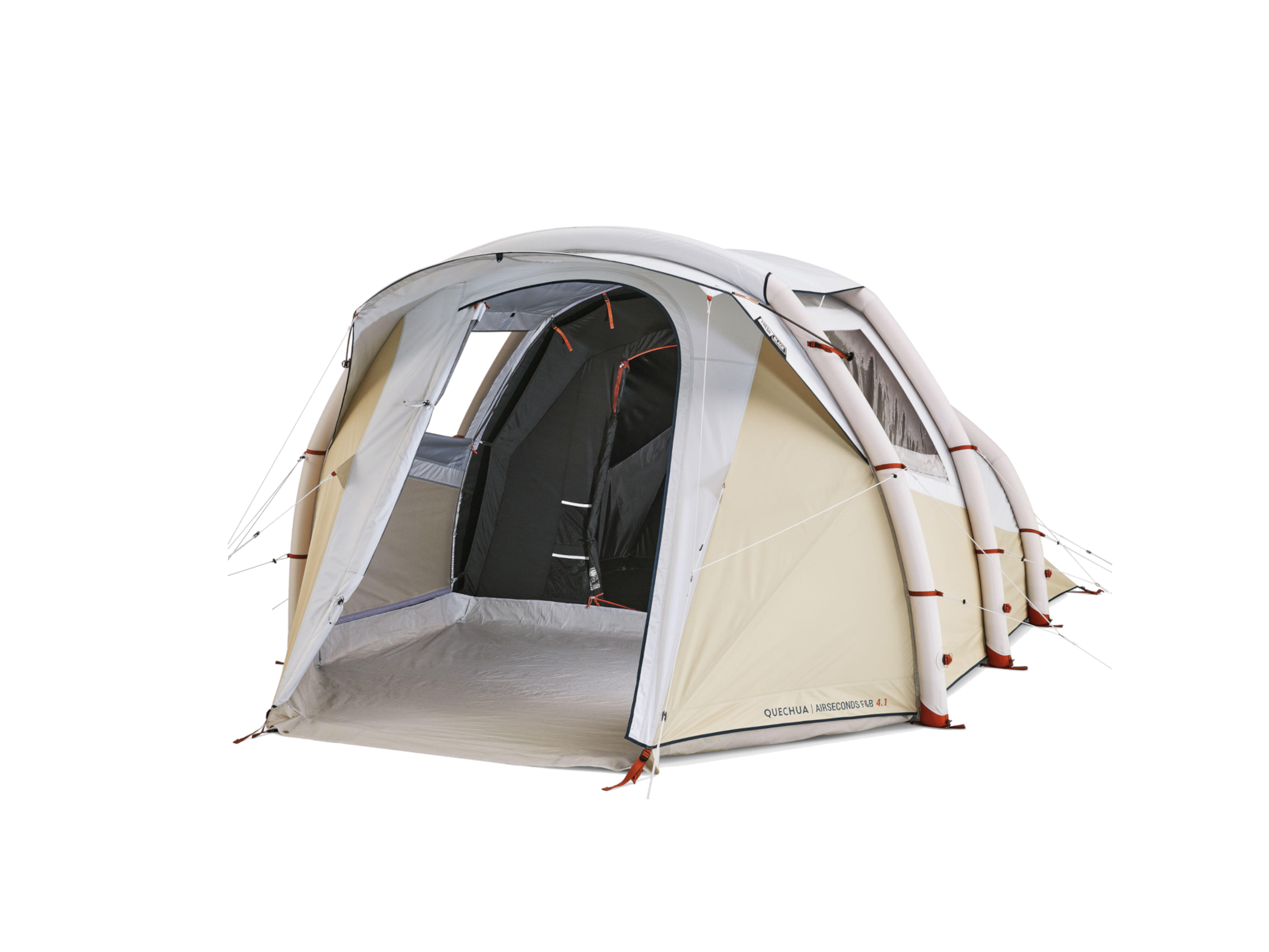
Quechua Air Seconds 4.1
Price At Time Of Writing | $350.00
Overall Rating | 80
Comfort | 6
Construction | 4
Features | 7
Size/Weight | 7
Versatility | 6
Packed Size - 33x12x12in
Weight - 45.6lbs
Sleeping Size - 169sqft
Best For - Families wanting fast, easy pitching
Pros - Ultra-fast airbeam setup, bright living area
Cons - Cramped bedrooms, pump not included
Overall - A convenient and affordable inflatable family tent

Coleman Vail 4
Price At Time Of Writing | $339.95
Overall Rating | 77
Comfort | 6
Construction | 3
Features | 6
Size/Weight | 7
Versatility | 5
Packed Size - 33x12x12in
Weight - 45.6lbs
Sleeping Size - 169sqft
Best For - Budget-conscious families
Pros - Low cost, includes a small awning
Cons - Delicate mesh, frustrating pole system
Overall - A basic budget option with pitching drawbacks

Quechua ARPENAZ 4.2
Price At Time Of Writing | $499.00
Overall Rating | 73
Comfort | 4
Construction | 2
Features | 5
Size/Weight | 5
Versatility | 7
Packed Size - 33x12x12in
Weight - 45.6lbs
Sleeping Size - 169sqft
Best For - Small families or couples on a tight budget
Pros - Compact footprint, very low price
Cons - Cramped for four, requires staking
Overall - A value-packed but small tent for 2–3 people

Outsunny 4–6 Person Camping Tent
Price At Time Of Writing | $109.99
Overall Rating | 68
Comfort | 3
Construction | 1
Features | 4
Size/Weight | 4
Versatility | 6
Packed Size - 33x12x12in
Weight - 45.6lbs
Sleeping Size - 169sqft
Best For - Occasional fair-weather use
Pros - Extremely low cost, lightweight
Cons - Minimal living space, poor weather protection
Overall - A very basic shelter for dry, infrequent trips or festivals

Advice we’d give to a friend
The Basics
What size tent should I get? - This will really depend on personal factors but there are typically two basic options: an 8–10-person tent or a 4-person tent. 4-person tents are usually 1 room and 8–10-person tents are usually 2 large rooms or 3 medium-size rooms.
How much room do you have in the car and at camp? - Some tents, like the Oztent RV5, are 2m long when packed, so you need a roof rack to get it around. Others, like the Zempire Evo TXL V2 Air, have a massive footprint when set up so you will need a decent enough amount of space to set it up at camp.
Are you going to use it for touring or for longer stay camping? - Some tents for families are easier to set up than others so if you are travelling around to a new spot every night something with a quick setup is going to be important.
Canvas vs. Polyester Materials? - This is a well-debated topic. Canvas is definitely more durable and some believe that these are the best family tents, but they are also heavy and hard to dry. Modern-day tents made of polyester-type fabrics can be just as good or better in our view so long as they are made with a good-density fabric and solid waterproofing.
Budget
When it comes to finding the best family tents we think you can get something decent without dropping a ton of cash. There are always exceptions to the rule but we break the market into three main categories for 8–10-person tents and 4-person tents:
High End (over $1000) - This will get you one of the best camping tents for your family. Good quality materials, spacious and durable.
Mid Range (8–10P $400 to $1000, 4P $200 to $800) - These tents are typically still going to be easy to set up with decent materials that won’t fall apart on you. Quality can vary between brands in this price range, and we find a $800 tent isn’t always better than a $400 tent, for instance.
Low Range (8–10P under $400, 4P under $200) - Be careful; you’ll likely purchase something you’ll regret. Poles may fall apart, or fabric may not be as waterproof as claimed.
Cabin vs. Dome Tents
Dome tents typically have less headroom and are less spacious. For that reason, we believe cabin style tents are the best tents for families whether you are camping or touring. All family tent reviews here are for cabin style tents.
US-Specific Considerations
Climate and weather conditions - The US covers a huge range of climates, so the type of weather you’re likely to encounter should guide your choice. Camping in the Pacific Northwest? You’ll want a tent with excellent waterproofing and sealed seams to handle the frequent rain. Desert camping in Arizona or New Mexico? Look for ventilation to keep the interior cool and UV-resistant fabric to protect against sun damage. If you’re heading to northern states or high-altitude areas, a sturdier frame and stronger wind resistance will be important here.
Terrain and campsite size - US campsites also vary widely, from crowded national park campgrounds to remote dispersed sites in the Rockies or Appalachians. Make sure your tent fits both your car and the site. Some high-end family tents pack large, so if you’re driving a sedan or small SUV, check dimensions before buying. Likewise, make sure your tent footprint will fit your campsite, especially if you’re in popular parks where sites are more compact.
Length of trips and ease of setup - If you’re car camping for a long weekend, a heavier tent with lots of features and space is fine, but if you’re road-tripping from state to state, moving every night, quick-setup tents like airframe or instant cabin tents are a real lifesaver. Many modern US brands like Coleman, Big Agnes and REI Co-op offer pop-up or inflatable frame tents that save a lot of time.
Material choice: polyester vs. canvas - Canvas tents are extremely durable and offer great insulation, which is handy in hot or cold conditions, but they’re heavy and slow to dry. Polyester tents are lighter, easier to pack and often come with strong waterproof coatings and UV resistance. For most US family camping scenarios, especially road trips or national park stays, good-quality polyester tents offer a good mid-point between durability, convenience and packability.
Local regulations and camping style - Some national and state parks in the US have rules about tent types, site sizes, or even tent stakes to protect sensitive soil. Check National Park Service Camping Guidelines or your state park’s website to make sure your tent meets regulations. This is particularly important if you’re visiting popular parks like Yellowstone, Yosemite, or the Great Smoky Mountains.
Extra features for US families - Many US family tents come with large vestibules for storing gear, multiple rooms for privacy and built-in electrical ports for camping lights or small devices. If you’re camping with kids, look for tents with screen rooms or mesh windows for ventilation and insect protection. Some tents even offer attachable awnings for extra shade, which is a real bonus under the hot sun in southern states.
Safety Checklist
Check weather and wildfire alerts before you go - As we’re all aware, US weather can change fast, whether it be thunderstorms, high winds, or even unexpected snow in mountainous areas. Some regions, like California, Oregon, and parts of the Southwest, also have wildfire risks. Always check the National Weather Service for local forecasts and alerts, and visit InciWeb for wildfire information if you’re heading to fire-prone areas.
Set up your tent safely and on stable ground - Pick a flat, dry area away from potential hazards like riverbanks, cliffs, or low-lying areas that could flood in rain. Also, void areas under dead trees or loose branches. Properly stake your tent and use guy lines if necessary, especially in windy conditions.
Protect your family from wildlife and insects - The US has a variety of wildlife, from raccoons and bears to mosquitoes and ticks. Store food securely in bear-proof containers where required, keep your tent zipped and consider insect repellents or mosquito nets. You can find region-specific guidance from the CDC – Tick and Mosquito Safety.
Which Family Camping Tent is Right for You?
I'm looking for a family camping tent…

…for a large family basecamp expedition
A massive living area and fast airbeam setup, though it needs a large, flat pitch to fit.
…with real separation of space and views
Huge interiors with multiple rooms, built for comfort and privacy in all conditions.

…for a long car camping trip in comfort
Spacious, well-ventilated and made from quality materials, a versatile basecamp for large groups.
…that's a true all-rounder for touring or camping
Easy to set up, durable and lightweight for a family tent, equally happy on the road or at camp.
…that's built tough for frequent trips
Very quick setup and durable construction, though its long packed size means you'll need a roof rack.
…on a tight budget
Ultra-fast airbeam setup and a bright living area, at a genuinely affordable price.
Ratings By Category
Method
After reviewing the market, we pick what we think will be the best family camping tents in each category from a variety of retailers. Each product selected gets 50 points automatically just for being selected. We then perform field tests and in person assessments to rank them out of 10 on the following categories: Comfort, Construction, Features, Size/Weight and Versatility.
Rankings are adjusted or weighted based on importance and how much they vary e.g. some categories will be categorised from 1 to 10 whereas others 4 to 9 etc. (although there may be outliers). For the family tent reviews size/weight and versatility are considered inverse in our reviews. An 8–10 person tent, for instance, isn’t as good for touring, so is less versatile and a 4-person tent isn’t going to have anywhere near the same floor space as an 8–10 person tent. We have handicapped these metrics in order to provide a level playing field so if for instance you see a 4 person tent getting ranked as a 6 out of 10 for size/weight that may actually be a good ranking. Our Awards are then determined based on performance against a specific category, or outstanding suitability for a particular use case.
If you are looking for the best family tents in the US, this is where we hope to provide you with all the details. We believe good family tent reviews should provide you with all the info you need to decide and we hope you can find that here.
Testing Methodology
All the family camping tents we review are tested hands-on in realistic American camping conditions, not just pitched in a backyard, checking how they perform over full weekends outdoors, with weather, ground conditions and real family use in mind.
Once on site, each tent goes through a setup and inspection phase, where we check its build quality, pole and seam strength, zipper durability and how easy it is to pitch and pack down, even with limited help. We also measure packed weight and dimensions to confirm whether they match the manufacturer's claims.
Then, we subject the tents to a series of real-world performance trials. This includes testing weatherproofing in wind and rain, ventilation and condensation management in both cool and warm conditions (REI has some great tips on preventing condensation in your tent, if you're interested), and overall liveability with a family and their gear inside. We examine features like room layout, storage options and blackout capabilities, focusing on how comfortable the tent is to live in from afternoon naps to overnight storms, simulating a typical American family camping trip.
Finally, we assess long-term durability and usability by repeating pitch and pack-down cycles, inspecting for wear and tear after use on varied terrain (from national park campgrounds to desert and mountain ground) and testing how portable and manageable the tent is for car-to-campsite carrying. Scores across these areas are then weighted into our category ratings, so the overall ranking reflects not just specs on paper, but how the tent performs when your family is tired, it's getting dark and rain might be on the way.
Want the full breakdown of our testing process? Click the drop-downs below to learn about our detailed methodology.
-
Before we take tents on a camping trip, we check over the family camping tent to confirm construction quality, included components and basic usability.
Unboxing and Component Check - We make sure all advertised parts are included: rainfly, inner body, poles, stakes, guylines, room dividers, awnings, storage pockets and carry bag.
Material and Construction Review - We then check over the tent, looking for misaligned stitching, loose threads, poor seam taping, or stress points likely to tear. Some of what we check includes:
Fabric quality (polyester, canvas, ripstop, denier rating)
Stitching, seam taping and waterproof coatings
Zippers, door tracks and ventilation panels
Joinery points and pole connectors
First Pitch Timing and Ease - As everyone should before heading out on a trip, we pitch the tent. We do ours for the first time in calm conditions, timing how long it takes with two testers and following the supplied instructions exactly. This forms our testing baseline for real-world setup. We check for:
Clarity of instructions
Logical pole layout or hub system
Whether clips, sleeves and anchors are user-friendly
Need for pre-reading or trial-and-error
Size, Weight and Packed Dimensions - We then log a range of specs, which are compared with manufacturer claims to detect discrepancies. These include:
Total packed weight
Bag dimensions and compressibility
Pole bundle size and material type
-
We then test tents over multiple nights in varied environments, such as developed campgrounds with hookups and backcountry or dispersed sites, to see how the tent performs when actually camping.
Pitching Under Pressure - We pitch the tent again at a real campsite, sometimes in wind or low light, to simulate realistic arrival conditions (e.g. arriving at dusk). We also make sure to see how intuitive the process is after familiarity with the tent.
Weather Protection (Rain and Wind) - If conditions allow, we camp through rain or use hose testing to test a range of factors. We record any leaks along seams, zippers or roof vents. Some of what we test includes:
Rainfly coverage and water beading
Seam integrity and floor bathtub performance
Wind stability with fully tensioned guylines
Ventilation and Condensation Control - Across evening to morning, we check how well the tent ventilates, such as monitoring:
Mesh panels, roof vents and airflow design
Condensation buildup on inner tent walls
Whether windows can be partially opened in rain
Internal Space and Layout Functionality - We sleep, move and store gear inside to evaluate:
Room size with mattresses/cots
Standing height and head clearance
Door placement, divider practicality and privacy
Awning or porch usability for chairs/cooking
Noise and Light - We also note how the fabric performs overnight, such as flapping or rattling in wind and how much light comes inside (blackout vs. bright). This is because families often care about early morning light or midnight disturbance.
-
A good family tent should last more than one season. To give us an understanding of how the tent will fare long term, we put the tent through stress and weather tests. These include:
Seam and Fabric Tension - We apply controlled stress (gentle pull tests) to corner points, guyline loops and door anchors to test reinforcement quality.
Floor Toughness and Abrasion - We inspect the tent's floor after use on rough ground or stake-driven surfaces, checking for scuffs, punctures or delamination.
UV Exposure and Color Fastness - When possible, we leave the rainfly pitched in full sun over multiple hours to check for any fading, fabric brittleness or coating loss.
Stake and Pole Durability - Poles are flexed multiple times during setup and pack-down so that we can check for cracking, splintering (in fiberglass) or bending (in steel/aluminum).
-
As family tents are temporary homes for people young and old, it's important that we test features that affect everyday functionality.
Setup and Pack-Down Repeatability - We perform multiple full cycles of setup and teardown to check:
Whether components jam, snag or deform
Difficulty in folding rainfly/inner to fit back into bag
How strong or tall one needs to be to set the tent up solo
Storage and Organization - We check how well the tent supports organized living. This includes the:
Number and placement of internal pockets
Lantern hooks, gear lofts, electrical cord ports
Groundsheet integration in vestibules/porches
Transport and Vehicle Fit - We also see how easily the packed tent fits into standard vehicles (sedan, SUV, minivan) and how manageable the weight is for one person.
Family Friendliness - As these are family camping tents, we have to also check real usability factors, including:
How easy it is for kids to use zippers and doors
Tripping hazards (guylines, pole hubs)
Entry/exit without dirt or water ingress
-
Each tent is scored across five core categories, each with an equal role in determining the tent's overall score. These categories include:
Comfort - Focuses on internal space, headroom, temperature control and sleep experience
Construction - Focuses on material quality, seam strength, pole integrity and weatherproofing
Features - Focuses on storage, dividers, awnings, ports and ventilation options
Size/Weight - Focuses on packed weight, bulk, ease of transport and setup by families
Versatility - Focuses on suitability across seasons, weather adaptability and campsite types
Each category is scored (typically out of 10), then normalized and weighted. Exceptional performance in one area (e.g. extreme weather stability or unmatched space) may earn a bonus, while serious usability issues result in deductions.
We use the same bedding gear, stake styles and team members across tests where possible. Weather variables are recorded (temperature, wind speed, rainfall) to provide fair comparisons.
By following this structured approach, our reviews aim to reflect realistic family use to help buyers choose tents that will stand up to real weekends away, unpredictable weather, excited kids and years of vacation fun with the family.
Comfort
Comfort considers three main elements: how spacious it feels, the layout and key design elements impacting liveability.
Most of the tents for families we reviewed were pretty comfortable and there isn’t a huge deal of variation in this category. Some of the less comfortable models, like the Oztent RV5 have a big aluminum bar running down the floor while others, like the Quechua ARPENAZ 4.2 have no block-out material, so you wake with the sun shining on your face. The best tents for families, such as the Zempire Evo, Kampa Hayling 6 AIR and Zempire Aerodome, on the other hand, have a spacious feel and we’d be happy to spend time in them on a rainy day if needed.

It’s helpful in a family tent to have separate spaces
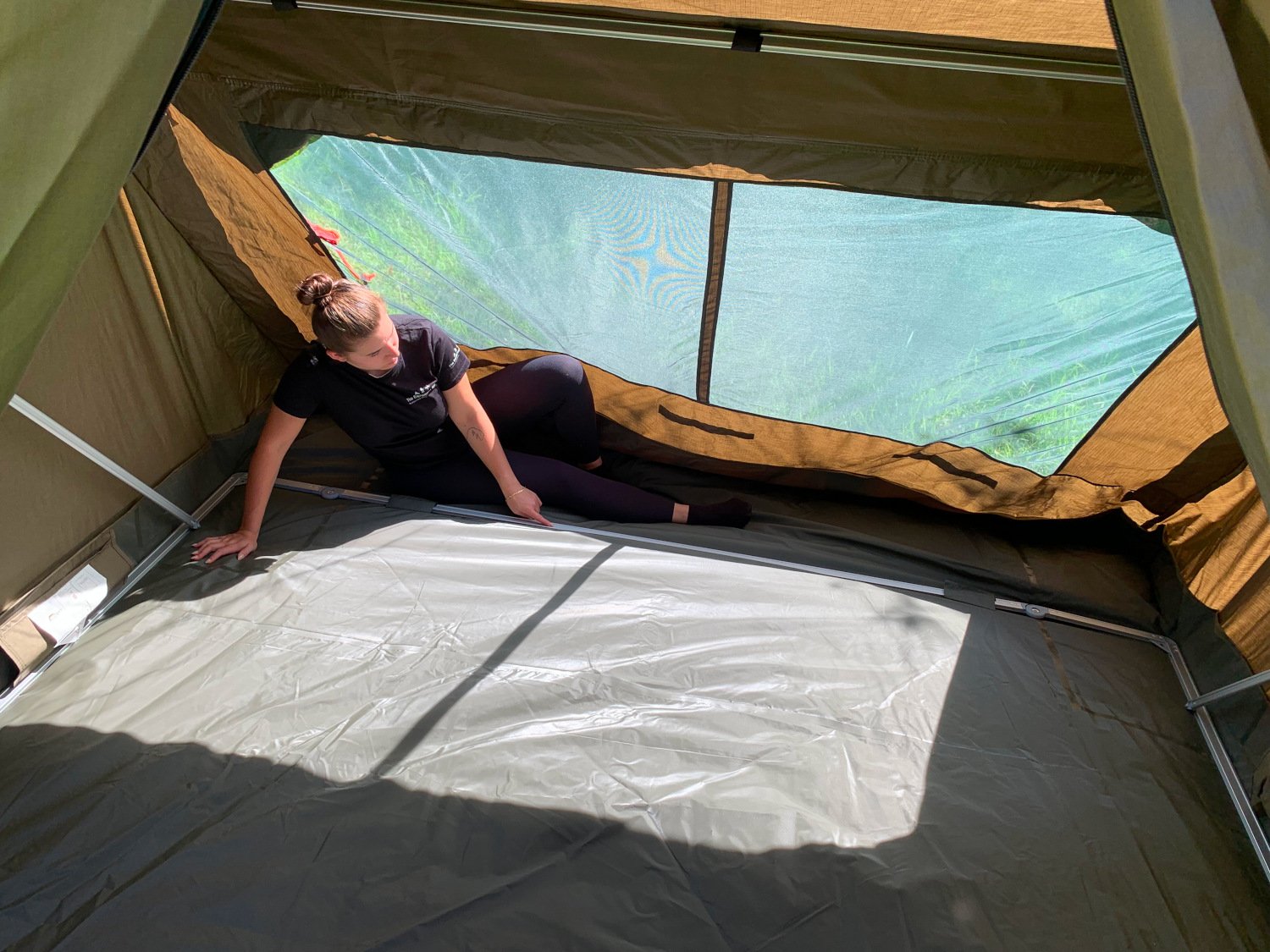
Aluminium Floor Bar In RV5

Construction
Construction essentially looks at materials used and craftmanship. Fabrics and pole materials play a massive role in how breathable, strong and waterproof it will be. There is usually a trade-off here between quality and cost.
In a traditional tent, important things to look out for are a strong gauge aluminum frame and high denier (density) materials (such as ripstop or canvas) with a good water head rating. Cheap tents will use thin gauge fiberglass poles or weak materials, so avoid buying those as they will fall apart. The Oztent RV5 and Coleman Cortes Octagon 8 Shelter tick all the boxes. The Zempire Evo TXL V2 Air is not your standard tent, being an inflatable, but we were surprised with how solid the structure actually was when set up.

An example of durable tent fabric - hard-wearing canvas

An example of less durable fabric — thinner-gauge polyester

Features
The features category looks at how easy it is to set up, as well as some of the basics like storage pockets, hanging hooks and power access points and ventilation.
The Zempire Evo TXL V2 Air was the best family tent in this category, ticking all the boxes, with a fast setup and having great configuration options, making it very livable. For an inflatable tent at its price, it was disappointing to see that the Heimplanet Backdoor Classic didn’t come with a pump like other inflatables, like the Kampa Hayling 6 AIR did, although many of the inflatables have great waterproof ratings. The REI Co-Op Wonderland X has a huge awning, so multiple people can sit under it and out of the rain.
Depending on the type of tent, there was also a huge variation in ease of setup. Inflatable tents were fairly simple, though some still required lengthy pegging out, but tents with poles varied hugely between ones with a fully integrated pole system that set up very quickly to those with a large number of different components that were confusing and took a long time to set up.

Some tents had a large number of separate components, which made them more difficult to set up

Size/Weight
Rankings in this category primarily consider the amount of usable floor space the tent provides. Sleeping configurations, packed size and headroom were also considered. 8–10-person tents will naturally rank higher here and higher on versatility.
The Zempire Evo TXL V2 Air and Zempire Aerodome II Pro Air were the standouts here in their respective categories. They’re actually the biggest family tents we have seen and they feel like mansions inside, without being outrageously large when packed. The Coleman Cortes also provides good space for the whole family or a group of friends with its octagon shape. The Oztent RV5 is 79.5in long when packed, so you will need a roof rack as it won’t fit in the trunk (pictured below).

Oztent RV5 2m Packed Size

Versatility
This category looks at whether we would use the tent for family camping, touring or both. 4-person tents will naturally rank higher here and lower on size/weight.
The Heimplanet Backdoor Classic is a great all-rounder that we would happily take touring or on a family camping trip. Easy to set up, durable and quite lightweight for a family camping tent, this is one of the best family camping tents in a 4-person model. For the price, the Quechua Air Seconds 4.1 also offers great value that can be used for touring or camping and isn’t a bad option as a tent for the family. The Snow Peak Alpha Breeze’s vestible can be turned into an awning, making it very versatile.

It’s important to look for tents with adequate ventilation, especially in summer

Our Awards
Family Camping Tents
Zempire
Evo TXL V2 Air
Family Camping Tents
Quechua
Air Seconds 4.1

Family Camping Tents
Zempire
Aerodome II Pro Air
Family Camping Tents
Oztent
RV5
Family Camping Tents
Heimplanet
Backdoor Classic
Family Camping Tents
Coleman
Cortes Octagon 8
Family Tent FAQs
How big should a family tent be?
Don't just go by the person count on the box, as that usually only accounts for sleeping space. You'll need extra room for gear, a pack-and-play, or just for the kids to spread out. A good rule of thumb is to choose a tent rated for 2–3 more people than you actually have.
What type of tent shape is best for a family?
It depends on your style. Cabin-style tents have straight walls that create a more roomy, livable area, perfect for changing clothes or moving around. Dome tents have slanted walls that handle wind much better, making them a sturdy choice for breezy conditions. REI have a guide about what to look for in a camping tent, if interested.
How durable do family tents need to be?
With kids and pets, you need a tough tent. Look for strong aluminum poles and a thick floor with taped seams to prevent leaks. Cheaper tents often cut corners here, which can lead to problems during a storm or after just a few trips.
How do I prevent the tent from getting stuffy or filled with condensation?
Good airflow is so important! A quality family tent will have plenty of mesh windows and vents to keep air moving. Without them, you’ll likely wake up to damp walls and condensation inside.
Is it hard to pitch a big family tent?
It can be a challenge, especially with larger models. To make it easier, look for features like color-coded poles and clip-on attachments. Even with those, expect a bigger tent to take 10–20 minutes or more, especially if you're setting up alone or in bad weather.
How much should I expect to spend on a solid family camping tent?
Your budget really depends on how often you go. If you're a weekend warrior, a mid-range tent will do the trick, but if you camp frequently or in rougher weather, it's worth investing in a higher-quality model that won't leak or break down on you.
Are there size limits for family tents at campsites?
Some campgrounds have tent pads with specific size limits, so a very large tent might not fit. One workaround is to use two smaller tents or book adjacent sites, but you'll always want to check the campground's rules first.
Which Family Camping Tent Should You Buy?
The simplest answer: the best all-round family camping tent for most people is the Zempire Evo TXL V2 Air. It gives you a massive living area and fast airbeam setup, making it suitable for larger family camping expeditions rather than just occasional weekend trips.
If you want a different option, the Zempire Aerodome II Pro Air is a great choice for large families. It's built with multiple rooms and a strong, fully waterproof construction, giving you real separation of space even in extreme weather.
If you're trying to balance space, price, and ease of use, the Quechua Air Seconds 4.1 is our best value choice. It has an ultra-fast airbeam setup and a bright living area, so it helps with convenient family camping without moving into premium pricing territory.
For anyone touring between sites or short on setup time, the Oztent RV5 is a great starting point. It's built for very quick setup and durable construction, though its long packed size means you'll need a roof rack to bring it along.
In short:
Best overall: Zempire Evo TXL V2 Air
Best for large families: Zempire Aerodome II Pro Air
Best value: Quechua Air Seconds 4.1
Best for easy setup: Oztent RV5
About Our Testing Process
Here at The Equipment Guide, we write reviews for the US with the goal of providing a genuine personal assessment of the best products on the market right here at home.
All products are reviewed and ranked in a methodical and careful manner and we assess them on relevant key features. We do not accept free products from manufacturers.
Our mission is simple: To create the US’ best outdoor gear reviews.
Afterword
We hope you liked our reviews of the best family camping tents in the US!
Really most of the family tents we reviewed were great and you don’t necessarily have to spend a bundle on the best family camping tents. Our family tent reviews are all designed with US conditions in mind. If you would like us to review a product or have any feedback we’d love to hear from you, feel free to drop us a note.
If you do purchase and are out in your family camping tent please share some pics with us, as we’d love to see you in action.