
Best Beach Chairs of 2026
We tested the top beach chairs side-by-side in real-world conditions, including sandy Atlantic shores, Pacific beaches and Gulf Coast coastlines, covering everything from long walks to the water's edge to full days lounging in the sun. Our goal was to find out which chairs genuinely hold up when it matters.
This in-depth guide compares the best options available, whether you want a lightweight chair for a long haul across the sand, a sturdy low-slung lounger for a full day by the water, or the best value for families and casual beachgoers. Access full reviews of each product via the 'Read Full Review' buttons below, or if you're heading further from the shore, visit our best camping chairs reviews.
Independently tested | Updated for 2026 | Real-world comparison testing
Updated 24 June 2026: Layout Changes
Compare The Best Beach Chairs

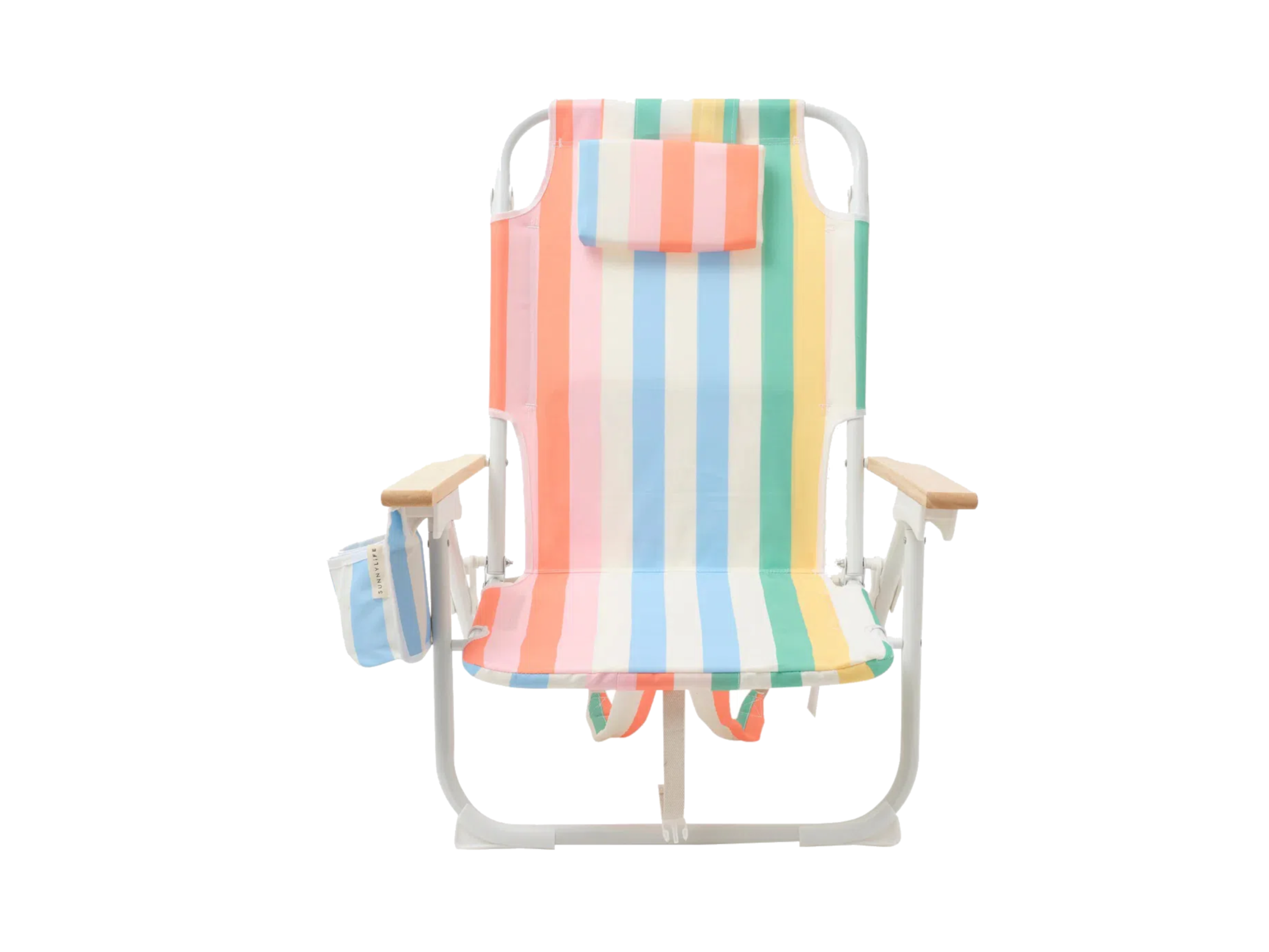
SUNNYLiFE Utopia Deluxe Beach Chair
Price At Time Of Writing | $140.00
Overall Rating | 90
Construction/Design | 8
Setup/Packdown | 7
Portability | 7
Comfort | 10
Durability | 8
Open Size - 21x24x30in
Weight - 8.8lbs
Load Capacity - 331lbs
Materials - Polyester, Aluminum, Wood
Best For - Style-conscious beachgoers
Pros - Attractive design, portable
Cons - Wood frame not weatherproof
Overall - A comfortable and stylish fair-weather lounger

Tommy Bahama Backpack Beach Chair
Price At Time Of Writing | $72.99
Overall Rating | 86
Construction/Design | 8
Setup/Packdown | 5
Portability | 8
Comfort | 8
Durability | 7
Open Size - 24x25x30in
Weight - 7.88lbs
Load Capacity - 300lbs
Materials - Aluminum, polyester
Best For - Casual beach and park outings
Pros - Lightweight, good-looking, well-equipped
Cons - Low back support, weak straps
Overall - A stylish and functional chair for short-term use

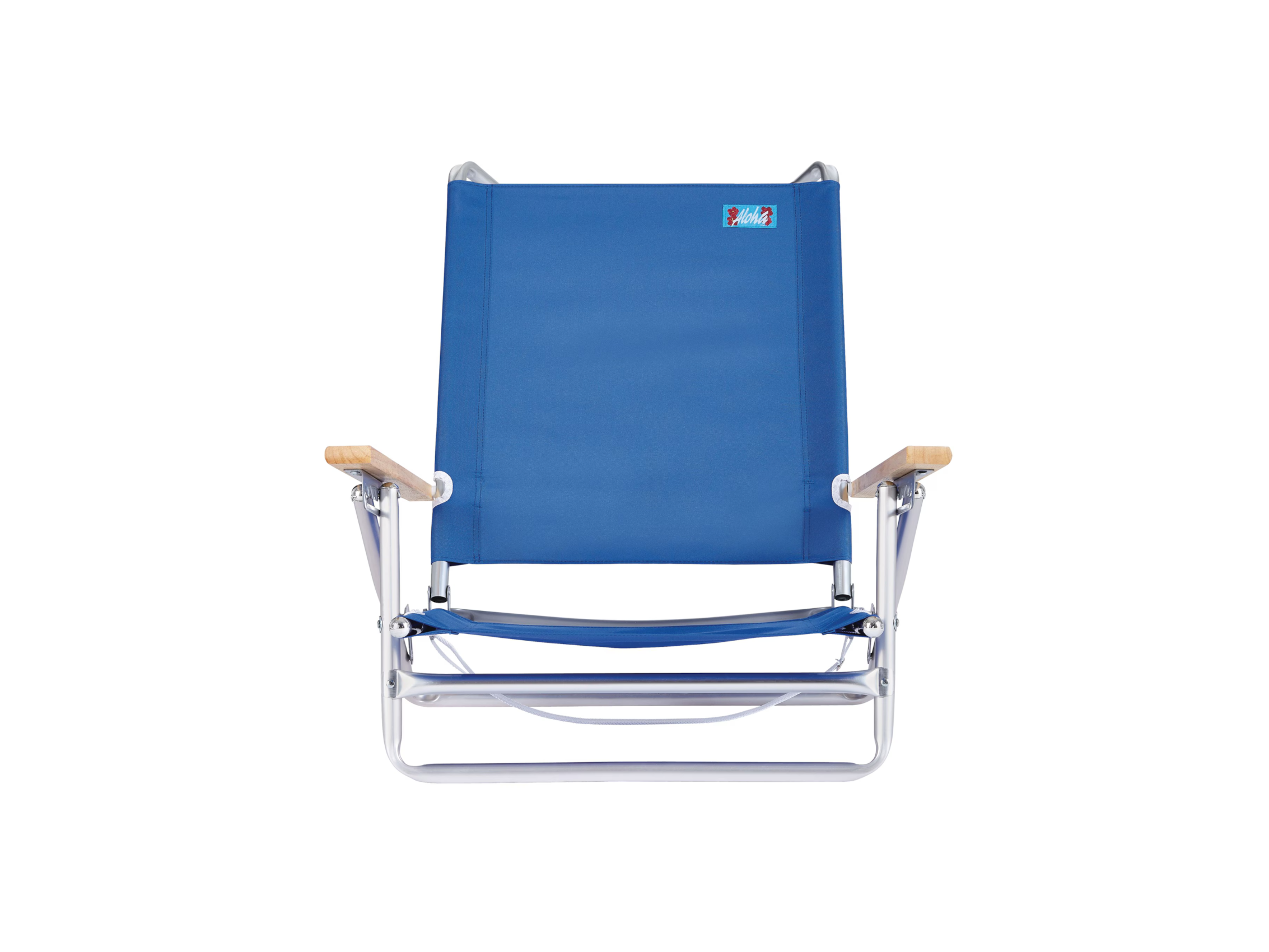
RIO BEACH Folding Chair
Price At Time Of Writing | $55.53
Overall Rating | 85
Construction/Design | 9
Setup/Packdown | 7
Portability | 9
Comfort | 5
Durability | 5
Open Size - 23x25.25x32in
Weight - 7.7lbs
Load Capacity - 250lbs
Materials - Aluminum frame, polyester seat
Best For - Short trips where portability is key
Pros - Lightweight, compact, attractive
Cons - Shallow seat, no headrest
Overall - A basic but good-looking portable chair
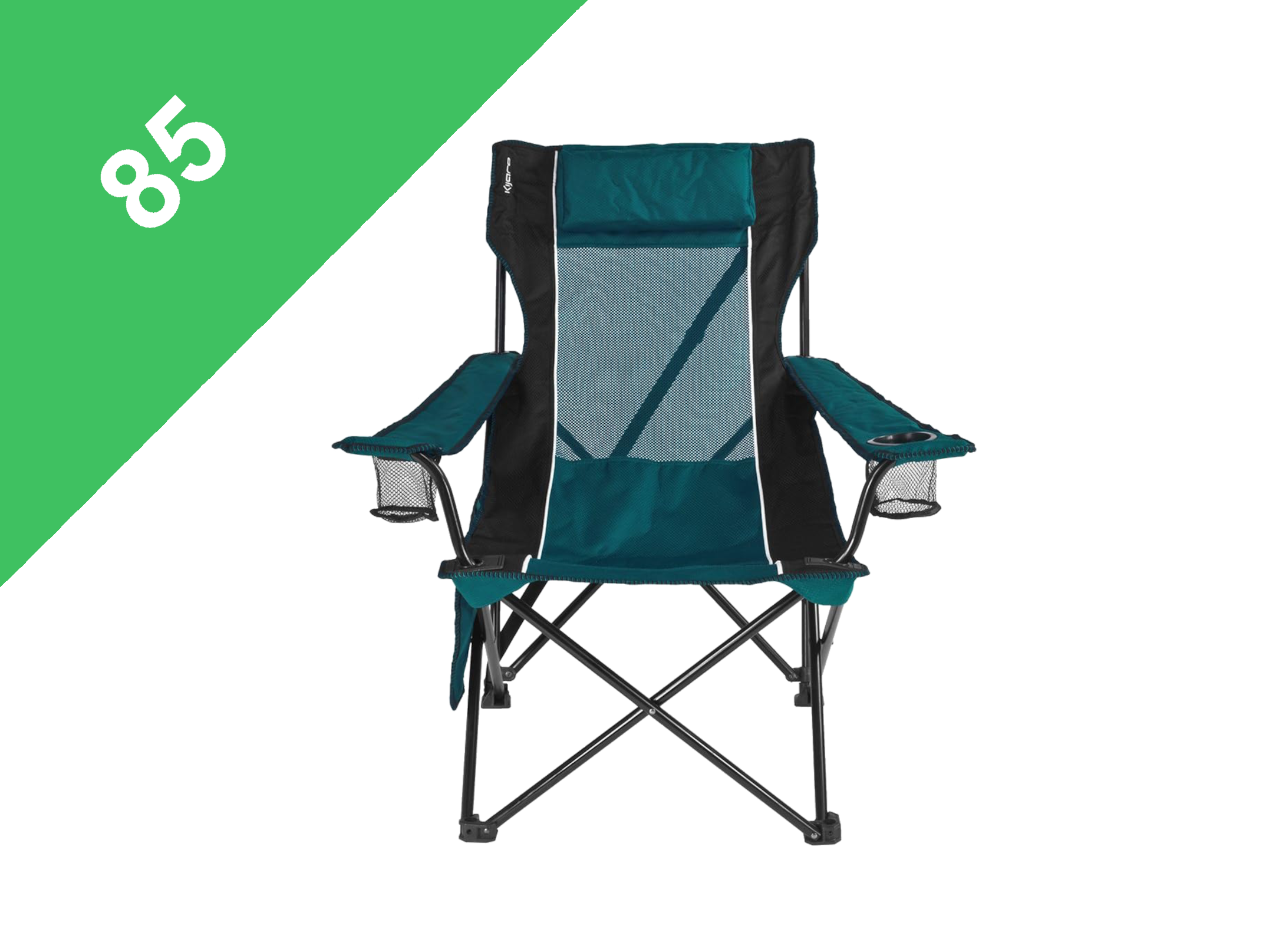
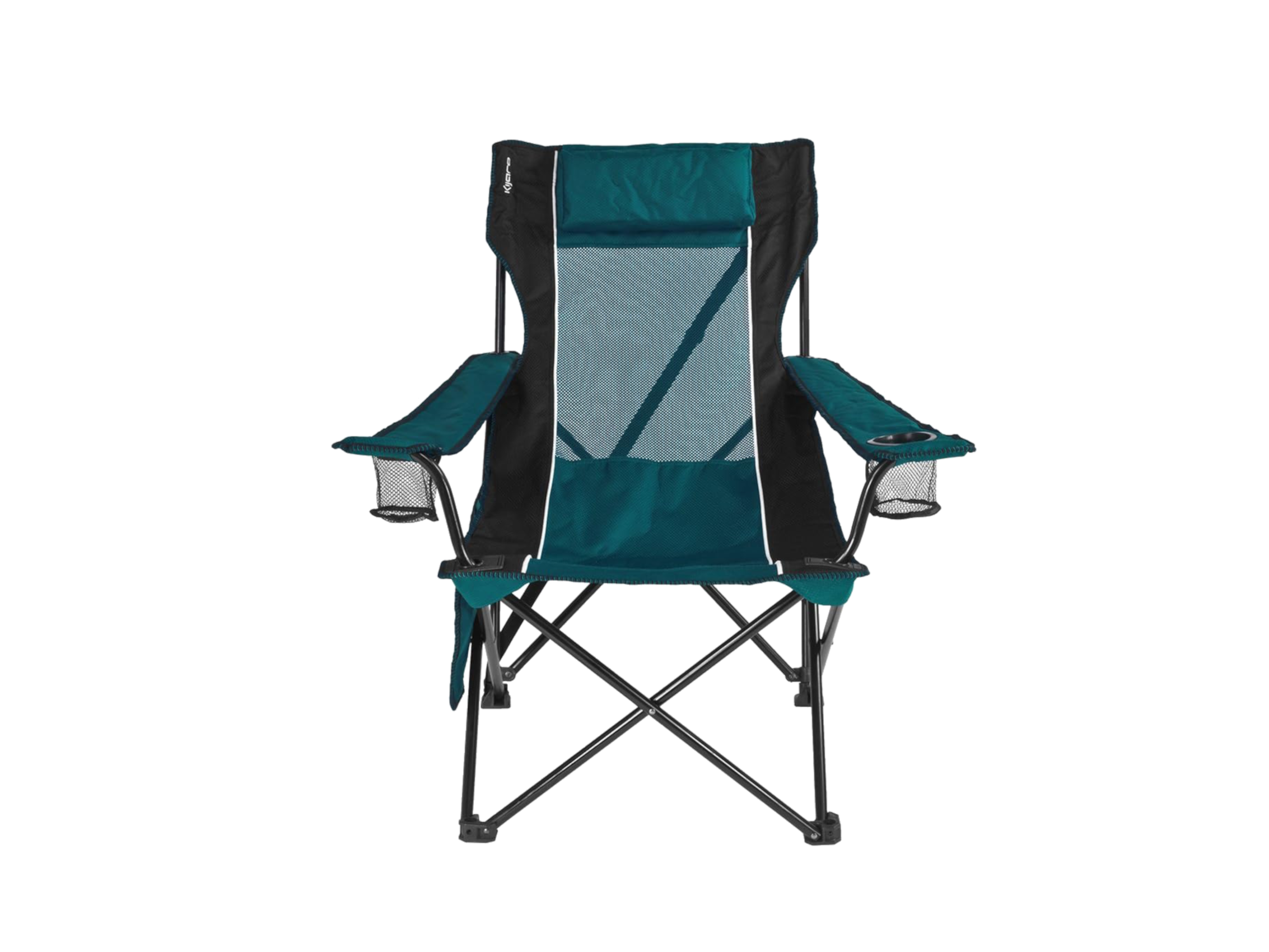
Kijaro Beach Sling Chair
Price At Time Of Writing | $55.00
Overall Rating | 85
Construction/Design | 5
Setup/Packdown | 9
Portability | 8
Comfort | 8
Durability | 5
Open Size - 29x33x33.8in
Weight - 6.6lbs
Load Capacity - 300lbs
Materials - Alloy steel, polyester, mesh
Best For - Value-focused shoppers wanting comfort
Pros - Comfortable sling seat, useful pockets
Cons - Low seat height, less durable mesh
Overall - A comfortable and feature-rich chair for the price

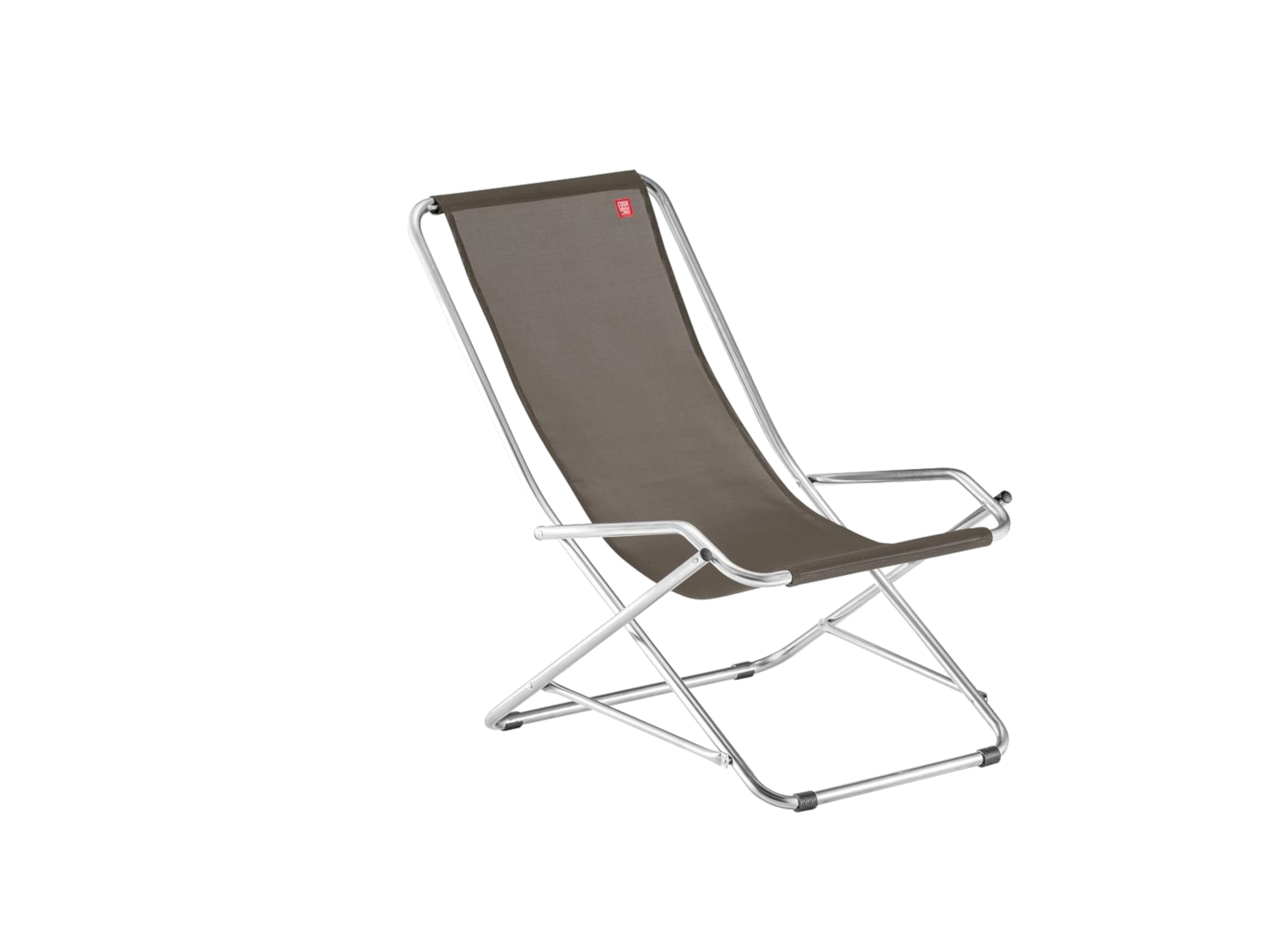
Fiam Dondolina Steel Frame
Price At Time Of Writing | $175.00
Overall Rating | 84
Construction/Design | 8
Setup/Packdown | 9
Portability | 2
Comfort | 7
Durability | 8
Open Size - 30.75x24.75x38.75in
Weight - 6.6lbs
Load Capacity - 220lbs
Materials - Steel, textilene
Best For - Relaxing at a fixed spot
Pros - Sturdy frame, comfortable rocking motion
Cons - Can creak, heavier than backpack chairs
Overall - A robust and comfortable rocking chair

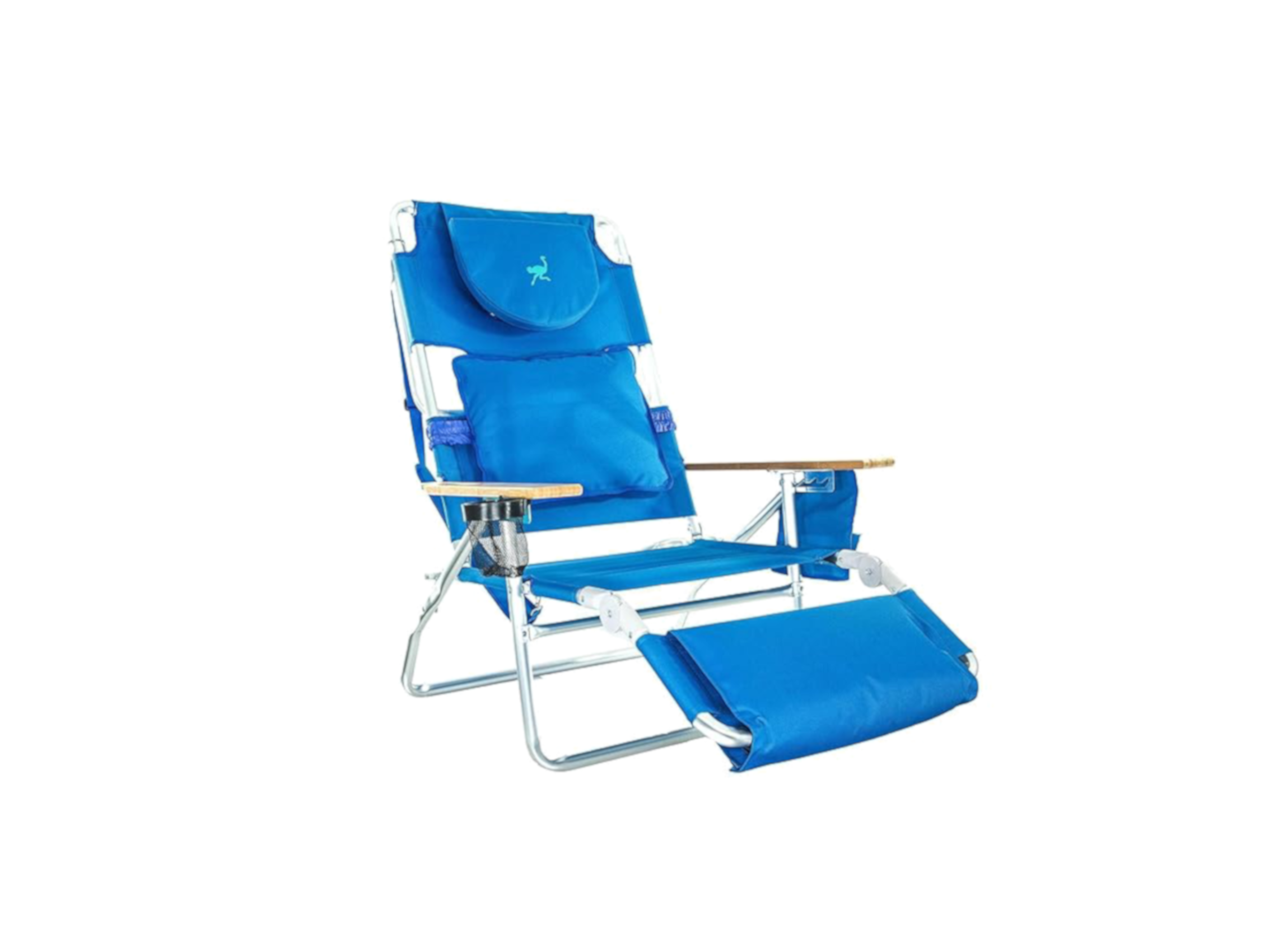
Ostrich Deluxe 3-in-1 Beach Chair
Price At Time Of Writing | $136.90
Overall Rating | 82
Construction/Design | 8
Setup/Packdown | 6
Portability | 4
Comfort | 7
Durability | 7
Open Size - 61.76x38.1x39.73in
Weight - 10.8lbs
Load Capacity - 275lbs
Materials - Aluminum, textiline
Best For - All-day sunbathing and reclining
Pros - Very comfortable, multiple reclining positions
Cons - Heavy and bulky
Overall - A sturdy and versatile chair for relaxation

Homevative Backpack Folding Beach Chair
Price At Time Of Writing | $69.99
Overall Rating | 81
Construction/Design | 8
Setup/Packdown | 5
Portability | 7
Comfort | 5
Durability | 6
Open Size - 32x17x19in
Weight - 8lbs
Load Capacity - 240lbs
Materials Aluminum frame, polyester seat
Best For - Organized outings needing gear storage
Pros - Excellent pocket organization, durable fabric
Cons - Uncomfortable for reclining, tight for tall users
Overall - A practical chair focusing on storage over comfort

Brunner Bula Beach Chair
Price At Time Of Writing | $60.92
Overall Rating | 81
Construction/Design | 6
Setup/Packdown | 7
Portability | 7
Comfort | 5
Durability | 6
Open Size - 22x20x29in
Weight - 6.8lbs
Load Capacity - 225lbs
Materials - Steel, texteline
Best For - Larger users wanting maximum comfort
Pros - Extra-wide seat, very comfortable, sturdy
Cons - Low armrests, not adjustable
Overall - A spacious and comfortable fixed-position chair

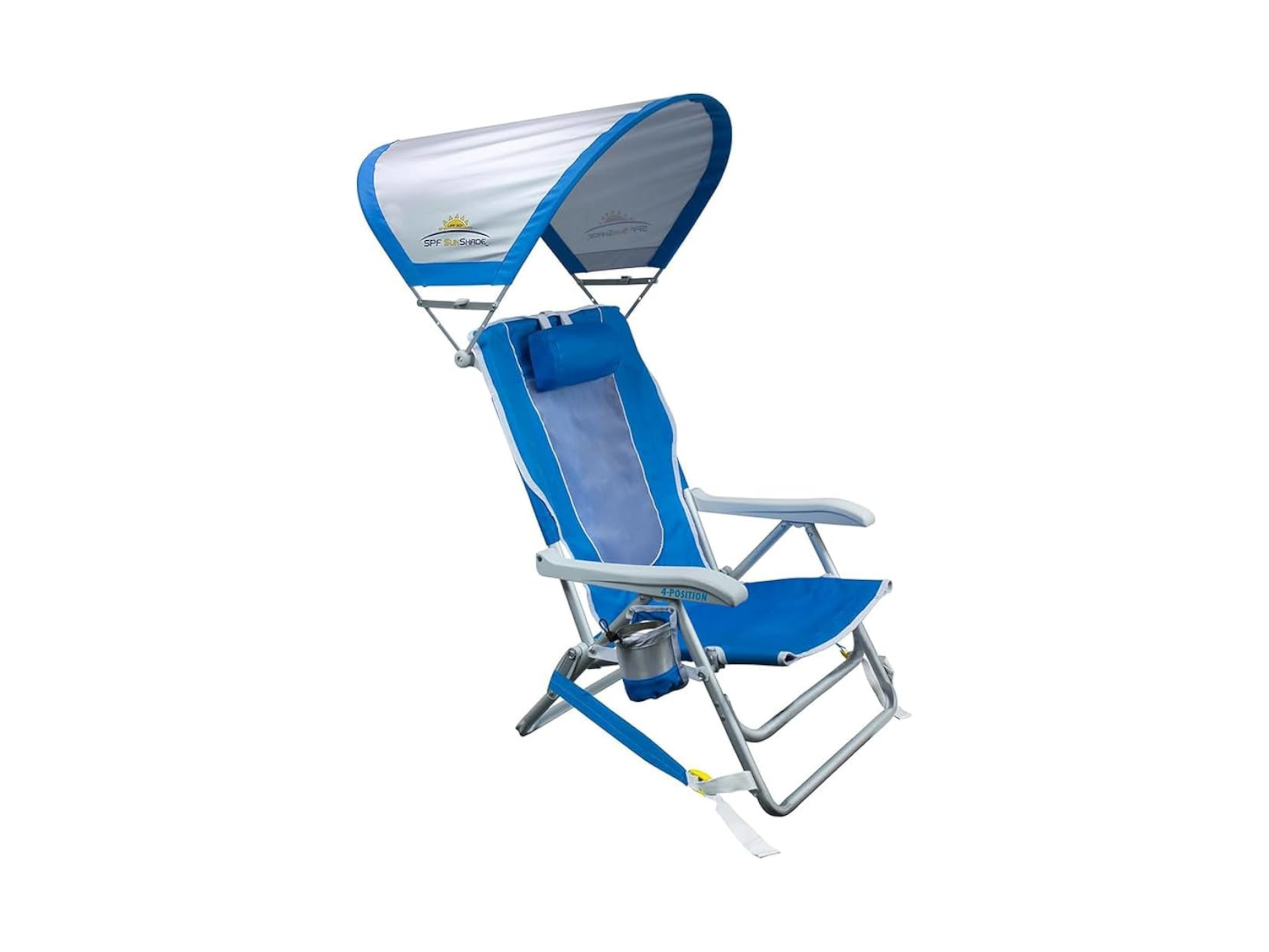
GCI Outdoors Waterside Sunshade Backpack Beach Chair
Price At Time Of Writing | $80.00
Overall Rating | 76
Construction/Design | 6
Setup/Packdown | 7
Portability | 3
Comfort | 7
Durability | 3
Open Size - 45x24x43.7in
Weight - 10lbs
Load Capacity - 250lbs
Materials - Aluminum/steel hybrid frame, polyester/mesh seat
Best For - All-day sun protection
Pros - Effective built-in sunshade
Cons - Heavy, bulky when packed, not the best looking
Overall - The top choice if shade is the main priority
Overall Ratings

Advice We’d Give to A Friend
The Basics
How do I know if it's going to be comfortable? - Consider whether you want a chair that reclines or something more upright. Look for a good amount of space between the seat fabric and any metal frame to ensure no frame digs into you, check the depth and width of the seat matches your size, and look for extras like armrests, cup holders and storage pockets.
How important is portability in a beach chair? - If you've ever carried a whole bunch of stuff down to the seaside, pretty important. Look for lighter-weight chairs with backpack or carry straps.
Will it last? - Well-constructed chairs made of strong steel or aluminum frames that have been rust-treated and high-denier fabric, will last for years, so look for those qualities when choosing a beach chair.
Budget
You can definitely find a decent beach chair without having to spend a ton of money. For a better comparison, we can divide the market into three main categories:
Under $70 - You're generally looking at chairs with a much simpler design that probably won't recline. You can get some good durable picks in this range if you're happy with that.
$70 to $100 - You're usually looking at some less well-constructed reclining chairs, or chairs with more features. There are decent chairs here too, but if you're after a quality reclining chair that will last, we'd suggest spending a bit more.
Over $100 - You'll get a high-quality, durable reclining chair with lots of features. In most cases, we don't think you should be spending over $180 on a beach chair.
Purpose of Use
Think about how you will use your beach chair. Is it just for you or will you be sharing it with the family? Will you be buying multiple? Do you prefer reclining or reading a book more upright or do you bring a lot of items with you to the beach that you need to store somewhere? Consider these questions when choosing a beach chair as they will determine the type of chair you buy and how simple the design is.
US-Specific Considerations
Weather and sun protection - US beaches can vary widely in sun intensity, from the Gulf Coast to Southern California or the Outer Banks. Even on overcast days, UV levels can be high, so look for chairs with built-in sunshades or the ability to add a small canopy. UV-resistant fabric not only protects your skin but also keeps your chair from fading or weakening over time.
Portability and transport - In the US, your beach day might involve packing up the car with a cooler, umbrellas, toys and snacks for a family of four. Lightweight chairs with backpack straps or compact folding designs are a real advantage, especially if you’re hiking down to a secluded spot or trying to fit multiple chairs in the trunk of a sedan. Some more expensive chairs even fold flat enough to slide into the back of an SUV or minivan easily, which is handy when traveling to popular beaches like Cape Cod, Malibu, or Destin.
Stability on different surfaces - Unlike some European beaches, US coastlines vary a lot. From fine sand in Florida to rocky or pebbly shores in New England, your chair needs to stay stable. Wider legs, sand-friendly feet, or slightly raised frames help prevent chairs from tipping or sinking. If you plan to beach camp or picnic on rougher surfaces, a chair with a stronger frame or reinforced legs is worth it.
Durability against coastal elements - Saltwater, sand and occasional rain can damage cheaper chairs. Look for corrosion-resistant aluminum or steel frames and fabrics designed to handle sand abrasion. Quick-dry, mildew-resistant fabrics are particularly useful if you leave your chair in a beach bag for several days between uses. Rinsing your chair with fresh water after coastal use can also extend its lifespan.
Extras for convenience - In the US, a lot of people head to the beach for long days. Chairs with cup holders, small side tables, storage pockets, or even cooler compartments make a day at the beach more comfortable. If you often carry kids’ gear, beach toys, or snacks, these extra features can make setup and breakdown much less stressful.
Safety Checklist
Watch the tide and shoreline conditions - Even calm beaches can see tides creep in faster than expected. Always check local tide charts before setting up your chair, especially on family trips or when camping near the coast. Websites like NOAA Tides & Currents provide accurate tidal information for beaches across the US.
Protect yourself from the sun - Sunburns can happen quickly, even on cloudy days. Use a beach chair with a canopy or combine your chair with a beach umbrella. Don’t forget sunscreen, sunglasses and a hat. The CDC Sun Safety Guide is a good resource for tips on staying protected.
Secure your chair in windy conditions - US beaches, particularly along the Gulf Coast or Pacific Northwest, can get windy. Lightweight folding chairs can tip over or blow away if not anchored properly. Place your chair behind a windbreak, dig the legs slightly into the sand, or weigh it down with a bag.
Ratings By Category
Method
We selected the top beach chair in each category after evaluating the chairs currently on the market and each chair instantly earned 50 points just for being chosen. To then rank them out of 10 in Construction/Design, Setup/Pack Down, Portability, Comfort and Durability, we conducted field tests and in-person evaluations.
Rankings are modified or weighted according to their significance and degree of variation, for example, certain categories will be rated from 1 to 10, while others will be rated from 4 to 9, etc. However, there are occasionally outliers. We have done our best to accurately depict how each beach chair ranks overall and why.
Our aim is to give you all the information you need to find the best beach chair in the US. At The Equipment Guide, we believe that thorough reviews of beach chairs should give you all the information you need to choose one.
Which Beach Chair is Right for You?
I'm looking for a beach chair…

…that's a stylish, comfortable all-rounder
Attractive design with sturdy armrests and plenty of comfort features, though the wood frame isn't weatherproof.

…that's lightweight and easy to carry
Light, portable designs built for carrying a fair distance across the sand without much effort.

…with the best comfort for the price
A comfortable sling seat with useful pockets, delivering genuinely good value for the price.

…for all-day sunbathing and reclining
Very comfortable with multiple reclining positions, though it's on the heavier and bulkier side.

…that rocks
A sturdy frame with a comfortable rocking motion, best suited to relaxing at a fixed spot.

…with built-in shade
An effective built-in sunshade for all-day sun protection, though heavy and bulky when packed.

…with the best storage and organization
Excellent pocket organization and durable fabric, though less comfortable for reclining or taller users.

…for larger users needing more room
An extra-wide, sturdy seat built for maximum comfort, though the armrests sit a little low.
Testing Methodology
Every beach chair we review is tested hands-on in coastal conditions, full of sand, salt, and plenty of sun. Once we’ve picked the models to include, each one goes through a setup and inspection stage. We check build quality, frame and joint strength, fabric durability, and how easy it is to unfold, set up, and pack away. We also record weight, packed size, and overall portability to see if those numbers match what the manufacturer promises.
Next, we put the chairs through performance tests. What that means is that we check how comfortable they are for long sitting sessions, how stable they feel on soft sand or uneven ground, and how well features like adjustable recline, armrests, cup holders, and sunshades work in everyday use. We test for different body types and real-life activities too, whether it be reading a book, relaxing after a swim, or enjoying a picnic at the beach.
Finally, we look at durability and usability. We repeatedly open and close each chair, check for wear from sand, saltwater, and UV exposure, and see how easy it is to carry from the parking lot to the water’s edge. All these factors are scored and weighted to create our overall ratings, so the rankings reflect not just the specs, but how each chair actually performs when you’re using it at the beach.
Want to see our full testing process? Click the drop-downs below for a detailed breakdown.
-
As mentioned, before lounging by the ocean, every beach chair gets unboxed and checked so we can get a good feel for its build quality and see if it lives up to the manufacturer’s claims.
Unboxing and Components Check: We make sure all the advertised parts are there: frame, carry straps, headrest, cup holders, footrest, and any attached extras like coolers or storage pouches. We also look over the setup instructions to see if they’re clear and accurate.
Material and Build Quality Check: We’re on the lookout for any weak spots, rough edges, or pinch points that could cause trouble later. That means giving everything a close inspection, including:
The frame (whether it’s steel, aluminum, wood, or composite)
Hinges, joints, and locking mechanisms
Stitching, fabric tension, reinforcements, and rivets
Initial Setup and Lock Test: We set up each chair for the first time, timing how long it takes and noting if any steps are tricky, hinges feel stiff, or locking systems are confusing. We also check that each locking position feels solid, with no wobbling.
Weight, Dimensions, and Carry Size: To gauge portability and fit, we measure:
The total weight (and compare it to what the manufacturer lists)
Seat height from the ground (important for kids, taller folks, and anyone with limited mobility)
Folded size and bag dimensions (if it includes one) to see how easy it is to throw in the car or carry to the sand.
-
After inspecting each chair, we put it through beach conditions across multiple trips, because one outing just isn’t enough to see how it really performs. Here’s what we check:
Stability on Sand: We set the chair up on both soft and packed sand to see if it sinks, tilts, or shifts once you sit down. We also test it on uneven spots, like the side of a dune, to see how well it balances.
Ease of Sitting and Standing: We look at how accessible the chair is for different body types. Is it so low that standing back up feels like a workout? Does the frame stay stable, or does it wobble when you shift your weight?
Features in Action: Next, we test all the built-in extras to see if they actually make your beach day better or are just for show. That includes trying out:
Reclining mechanisms (where available)
Cup holders, phone pockets, coolers, and headrests
All-Day Comfort: Each chair gets used for a few hours at a time (usually one to three) so we can judge long-term comfort. We pay attention to:
Back and neck support
How much the fabric sags or creates pressure points
Ventilation on hot days, especially for mesh chairs
Wet and Dry Performance: Finally, we test how the chair handles moisture after a dip in the ocean. We check for stickiness, how quickly it dries, and whether salt or sand messes with the fabric or joints.
-
To see how a beach chair will hold up after a full season of sun and salt, we push it through a series of durability tests that mimic real wear and tear.
Hinge and Mechanism Cycling: We open and close each chair (what feels like 50 times!), watching for loosening screws, squeaky joints, or fabric stretching around key pivot points.
Fabric Wear and Abrasion: We test the material’s toughness by rubbing high-stress areas, like the seat and edges, against sand and lightly rough surfaces. This simulates how a chair might wear down from people shifting around, sliding in and out, or dragging it across the beach. We also check for frayed stitching or thinning spots.
Weight Tolerance Check: We load the chair up to its stated weight limit, and then a bit beyond, to see how it handles pressure. We keep an eye out for frame flexing, distortion, or creaking noises that hint at weak points.
Salt and Sun Exposure: Finally, we leave the chairs out in the elements under bright sun and salty air to test for the following:
Fading or stiffening fabric
Corrosion or rust forming on metal hardware and joints
It’s a long process, but that’s the only way to know if your chair will stay reliable through countless beach days.
-
Other than being comfortable, a great beach chair also needs to be easy to carry, pack, and store. So, we test how practical each one is from the car to the shoreline and back again.
Carry Comfort (Car-to-Shore Test): We haul each chair about 200–300 yards across the sand, both by itself and with extra beach gear, to see how it really handles. Some things we pay attention to are:
Strap design and comfort
Weight balance and how it feels when carried
Bulkiness or arm fatigue over distance
Fold and Pack-Down Time: Then, the reverse. Once it’s time to head home, we see how easy each chair is to fold up and pack away. We time the process and note any tricky parts or spots where sand jams the hinges or locking mechanisms. Chairs that need a lot of force or fiddling don’t score as well.
Vehicle Fit and Storage Shape: We load each packed chair into a standard SUV and hatchback trunk to see how much space it takes up and whether it fits alongside other beach-day essentials like coolers, umbrellas, and towels. After all, storage space matters when you’re planning for a full beach day or road trip.
-
Every beach chair we test earns a score out of 10 in five main categories:
Construction and Design (25%): We look at build quality, materials, and how solid the joints and frame feel.
Setup and Pack-Down (15%): This measures how simple and smooth the chair is to unfold and fold back up… because nobody wants to wrestle with beach gear.
Portability (15%): We consider the weight, handle or strap comfort, and how easily the chair fits in a car with the rest of your beach setup.
Comfort (25%): This covers overall support, ergonomics, and how cozy it feels after sitting for a while. Great design means you can stay relaxed for hours without slouching or squirming.
Durability (20%): We evaluate how well the materials hold up over time, including resistance to wear, sun exposure, and salt corrosion.
After testing, we normalize and combine the scores into an overall rating out of 100. Occasionally, we’ll make small manual adjustments for real-world context. For example, a super-comfy chair that rusts quickly won’t rank near the top.
To keep things fair, all chairs are tested in similar weather and sand conditions. When possible, multiple testers of different heights and builds use each chair, and any differences in experience get factored into the final notes.
We’re not just trying to pick a favorite, we’re trying to be transparent about what makes a good beach chair. A great chair should last through countless beach days, support you comfortably, and hold strong against sun, salt, and sand. Every rating we publish comes from hands-on testing, so if we recommend it, you can bet we’ve carried it, sat in it, and probably napped in it ourselves.
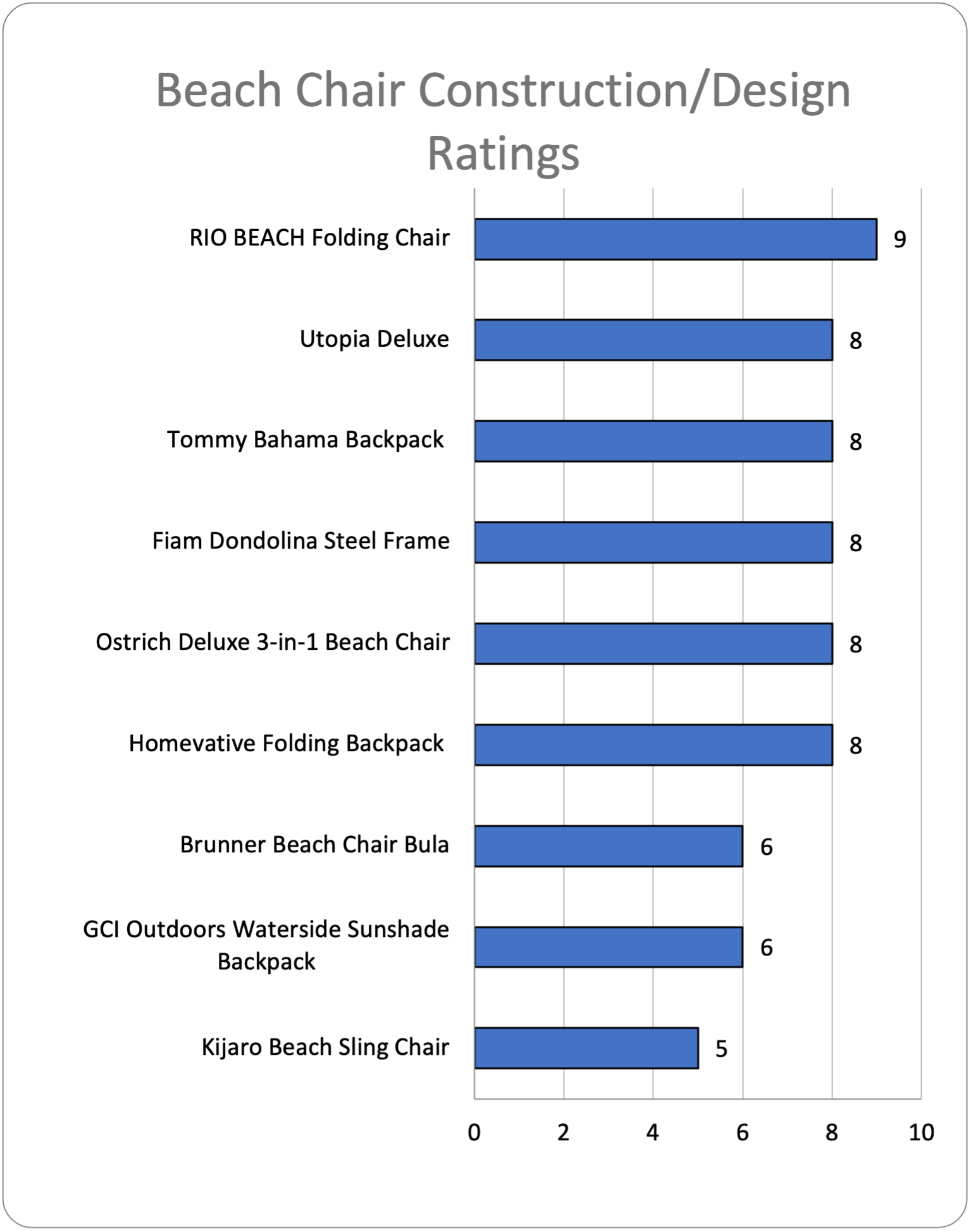
Construction/Design
Construction and Design looks at how well the beach chair is made and the quality of the fabrics and frame. It also looks at how well the chair is designed for use.
The difference here does tend to be in line with the price: cheaper chairs will be less well-constructed, except for our top pick. The RIO BEACH came out on top as it's a great combination of lightweight, durable materials, thoughtful design and comfort, especially for the price. The Tommy Bahama Deluxe and Ostrich Deluxe chairs both have features like reclinable backs, armrests, pockets and drink holders. The second cheapest of our picks, the Kijaro Beach Sling Chair, has a mesh back and two cup holders, which is handy.
Setup/Pack Down
Setup/Pack Down focuses on how easy it is to set up a beach chair, how large it opens to, then how easy it is to pack away and how small its packed size is.
Most chairs are really simple to set up, so there's not a huge amount of difference here between the ratings. Usually non-reclining chairs are slightly easier to set up. It’s best to get a reclinable chair that has something to keep it in place, like the GCI Outdoors Backpack. The Tommy Bahama is quite complex to set up for a beach chair, requiring different stages of clips and openings which can be annoying. The Kijaro Beach ranks highest here, with a smooth open and close with its folding design. The Utopia chair folds flat, but make sure you clip it into place when moving it around.

Portability
Portability looks at the important mix of weight, packed size and ease of carrying a chair. In selecting the most portable beach chair, also consider its carry style — does it have in-built backpack straps or come in a carry bag with a shoulder strap?
There are two clear styles here: chairs that fold in half and chairs that fold more into a tube shape. Smaller chairs will obviously tend to be lighter, but the key thing for us is to think about how you want to use them. If it's just a chair for you, then backpack chairs are great, whereas if you're a family of four carting a lot of stuff down to the sea, then you might want several smaller chairs that you can fit in a cart. The Tommy Bahama has the word in its name, having a great backpack design to carry it around. The RIO Beach Folding Chair has a carry strap to sling over your shoulder, although the single strap may not suit some people. The Fiam Dondolina has no carry bag, although it’s light, which helps.

Comfort
Comfort considers the size of the sitting area, how high the back rest is, how the material and frame feels when sitting and how its design comes into play when sitting, such as accessibility to pockets and cup holders.
Make sure chairs have a deep and wide-enough seat to accommodate you. Low-backed, non-reclining chairs can definitely be comfortable, just make sure that's what you want, and if you're after a high-backed chair, also make sure the back will be high enough to rest your head against. Something with armrests, or at least places to rest your arms, is key. Finally, make sure you choose a chair without an obvious frame that's going to dig into you while you're sitting. The Homevative Folding Backpack chair has quite a short back so it can dig into your back if you’re taller, although it does fully recline for lounging. The SUNNYLiFE Deluxe ranks highest here with comfortable fabric, sturdy armrests and lots of handy features. Like most low-back chairs, the Tommy Bahama can be a pain when upright, especially with the pillow hitting you under your neck, but it’s fine when reclining. If reclining is your style, the Fiam works great for you, but unfortunately, it cannot remain upright, which will annoy some people.

Durability
Durability looks at how well a chair is made compared to how well it will last. There's not always a clear correlation here between price and durability, so you need to know what to look for.
We'd recommend chairs using at least 300-denier polyester, which will last well over time. Aluminum frames are much lighter-weight than steel but not quite as strong, so choose based on what you prioritize, and make sure everything metal is rust-treated as repeated exposure to salty air will cause the joints in the metal frame to corrode and weaken over time. The sunshade and attachments of the GCI Outdoors feel easy to bend or break, especially during transport, and while the Ostrich 3-in-1 is solid, its stitching isn’t the greatest. While overall, the Brunner Beach is durable, it has plastic joints that can wear out and break over time. The Kijaro Beach is made of alloy, which is rust-resistant, so it’ll withstand beach conditions.

Our Awards
Beach Chairs
SUNNYLiFE
Utopia Deluxe
Beach Chairs
RIO Beach
Folding Chair
Beach Chairs
Kijaro
Beach Sling Chair
Beach Chairs
Ostrich Deluxe
3-in-1
Beach Chairs
Fiam
Dondolina Steel Frame
Beach Chairs
GCI Outdoors
Waterside Sunshade
Beach Chair FAQs
Can I use a cheap beach chair and have it last?
Sometimes, but don't count on it. A cheap chair might last a season or two, but they often use thin fabric and weak frames that can tear or rust quickly. Spending a bit more on a quality chair upfront usually means it will last for many years.
How important is portability for a beach chair?
It's one of the most important features if you have to walk to your spot. Look for a chair that's lightweight, folds down easily, and has a carrying strap or bag. This makes it much easier to carry than a bulky, heavy chair.
Do all beach chairs work well on sand?
No. Chairs with skinny legs can sink right into soft sand. Look for models with wide, flat feet or those specifically advertised as ‘sand-friendly’ for much better stability.
Will a reclining beach chair make a big difference?
Yes, especially for long days. Being able to adjust the backrest lets you find the perfect position for reading, napping, or just relaxing, which is far more comfortable than being stuck in one position. They’re not for everyone, though, as they’re not great for when you want to sit up for long periods of time, such as if you’re eating.
Do I need a rust-resistant chair for the beach?
Saltwater and air can quickly rust metal frames. Chairs with aluminum or coated steel frames, along with UV-resistant fabric, will look better and last much longer if you're a frequent beachgoer. Fluoramics has a guide to rust-proofing your beach chair, if interested.
Are beach chairs good for people with limited mobility?
They can be, but you have to choose carefully. Avoid low-sitting chairs, as they are difficult to get out of. Look for taller chairs with higher seat heights and sturdy armrests that make sitting down and standing up easier.
Is comfort just about seat fabric and padding?
While padding is nice, true comfort comes from a chair with breathable fabric, a wide and deep seat, good back support, and features like a headrest. These things matter most when you're sitting for hours.
What are common mistakes people make when buying a beach chair?
The biggest mistakes are buying a chair that's too heavy or bulky to carry, ignoring how stable it is on sand, choosing the lowest price over better construction, and forgetting to check for comfort features you'll really want after sitting for a while.
Which Beach Chair Should Most People Buy?
The simplest answer: the best all-round beach chair for most people is the SUNNYLiFE Utopia Deluxe Beach Chair. It combines an attractive design with sturdy armrests and genuine comfort features, making it a great fit for regular beach days rather than just the occasional outing.
If you want a different option, the Kijaro Beach Sling Chair is a great choice for anyone balancing comfort and price. Its sling seat and useful pockets mean it’s great value without moving into premium territory.
If you're trying to keep things light and easy to carry, the RIO Beach Folding Chair is a smart pick. It's built for portability, making the walk from car to sand a lot less of a chore.
For anyone who needs all-day sun protection, the GCI Outdoors Waterside Sunshade is a great starting point. Its built-in shade is genuinely effective, though it's heavier and bulkier to carry than most other chairs on the list.
In short:
Best overall: SUNNYLiFE Utopia Deluxe Beach Chair
Best value: Kijaro Beach Sling Chair
Best for portability: RIO Beach Folding Chair
Best for shade: GCI Outdoors Waterside Sunshade
About Our Testing Process
Here at The Equipment Guide we write reviews for the US with the goal of providing a genuine personal assessment of the best products on the market right here at home.
All products are reviewed and ranked in a methodical and careful manner and we assess them on relevant key features. We do not accept free products from manufacturers.
Our mission is simple: To create the US’ best outdoor gear reviews.
Afterword
We hope you liked our reviews of the best beach chairs available in the US.
There really is a lot of similarity between beach chairs and to be honest, the biggest factor in determining what the best beach chair is for you will come down to your personal preference. If you would like us to review a product or have any feedback we’d love to hear from you, so feel free to drop us a note.
If you do purchase and are out in your beach chair please share some pics with us, we’d love to see you in action.